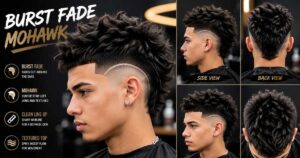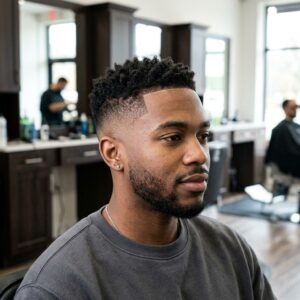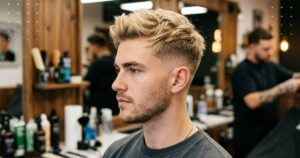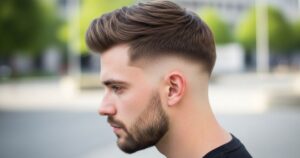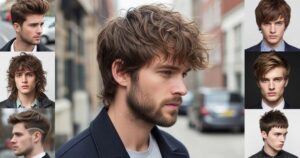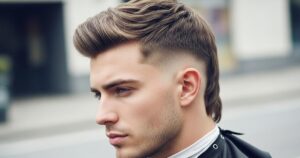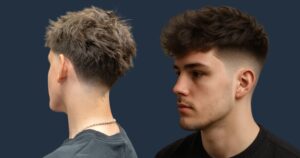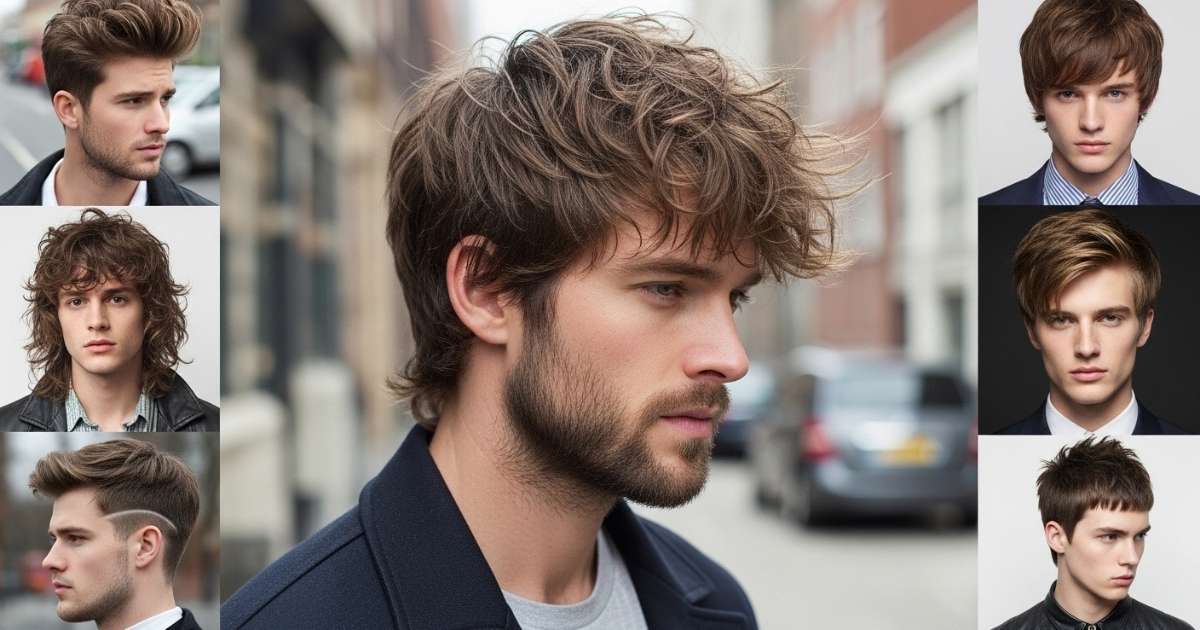
If there one haircut that refuses to go out of style, it’s the shag. Walk into any barbershop in 2026 and you’ll hear the same request over and over: “something textured, low-maintenance, but still sharp.” That’s the shag in a nutshell.
This guide breaks down everything you need to know about shaggy haircuts for men this year what makes a shag a shag, how it has changed since the 1970s, the top variations worth trying, and how to keep yours looking fresh between barber visits. Whether you’re after a surfer-style crop or a long, rocker-inspired mane, there’s a version of this cut built for your hair type and lifestyle.
What Is a Shaggy Haircuts Men?
A shaggy haircut for men is a layered style built around movement, texture, and a slightly undone finish. Instead of one uniform length, the hair is cut in varying layers shorter near the crown and gradually longer toward the ends which creates volume without bulk and gives the hair a natural, lived-in shape.
A few things define a modern shag. Heavy layering removes weight and adds bounce, while a textured, choppy finish replaces blunt, even edges. Face-framing pieces around the forehead and temples soften the overall shape, and the style is built to need minimal styling most shags actually look better when they’re slightly messy.
Unlike a classic crew cut or a tight fade, the shag isn’t about precision. It’s about controlled imperfection. A skilled barber uses point-cutting, razor work, or texturizing shears to break up the hairline and create that “just rolled out of bed but somehow it works” look.
The shag also works as an umbrella term. Wolf cuts, curtain shags, and even shaggy mullets are all branches of the same family tree they share the layered foundation but differ in length, fringe placement, and how dramatic the back-to-front contrast is.
Related Post: Low Taper Fade Mullet; Styling Tips and Trends
Classic vs. Modern Shag Then and Now
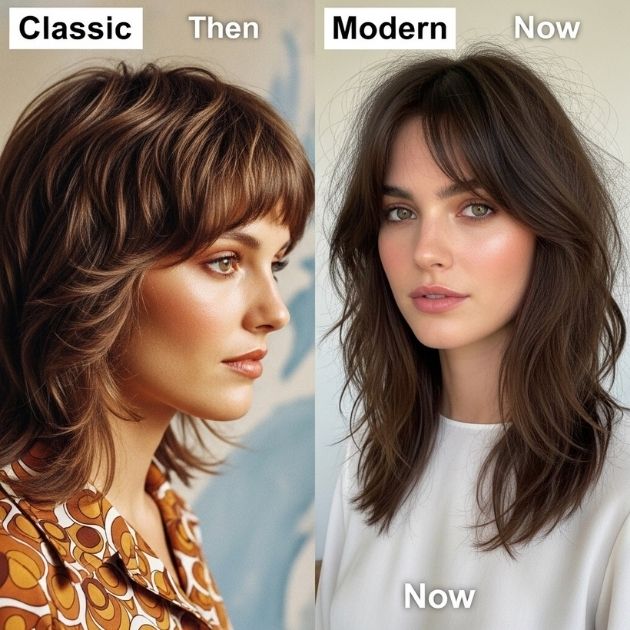
The shag hasn’t disappeared since its heyday it’s been quietly reinventing itself for five decades. Here’s how the original version compares to what barbers are cutting today.
| Feature | Classic 70s Shag | Modern 2026 Shag |
| Layering | Heavy, dramatic, high-volume crown | Softer, more blended layers |
| Length contrast | Very short top, long wispy ends | Gentle gradient, less extreme |
| Styling tools | Round brushes, hot rollers | Sea salt sprays, light pastes |
| Maintenance | Frequent reshaping needed | Grows out gracefully |
| Vibe | Rock ‘n’ roll, rebellious | Versatile, everyday-wearable |
| Best suited for | Bold, statement looks | Office-to-weekend transitions |
The biggest shift is intentionality. The 70s shag was loud big crown volume, choppy spikes, and an unapologetically rock-star edge. The 2026 version keeps the texture and movement but softens the contrast, making it suitable for the office, the gym, and everything in between. It’s the same DNA, just dialed back for everyday wear.
The Evolution of the Shag Haircut
The shag’s story starts in the 1970s, when rock icons and Hollywood rebels turned heavily layered hair into a cultural statement. It was a deliberate break from the stiff, sculpted styles of the previous decade messy on purpose, and proudly so.
Here’s a quick timeline of how the cut has changed over time:
- 1970s – The birth of the shag. Rock musicians popularized the heavily layered crown paired with long, feathery ends. The look was unisex, rebellious, and instantly recognizable.
- 1980s – Bigger and bolder. The shag merged with mullet-style silhouettes, pushing volume even further with the help of perms and hairspray.
- 1990s – Smoother and sleeker. As straightening tools became mainstream, the rugged texture of the original shag gave way to a more polished, commercial finish.
- 2000s – A choppy comeback. Razor-cut layers and disconnected fringes brought a punk-inspired edge back into fashion.
- 2020s – The hybrid era. The shag merged with the mullet and the wolf cut, creating non-gendered, texture-first styles that work across nearly every hair type.
- 2026 – Refined and wearable. Today’s shag keeps the movement and layering but trims the drama, favoring clean outlines and natural-looking finishes that suit modern grooming standards.
What’s remarkable is how the shag keeps adapting without losing its core identity: layers, texture, and movement. That’s exactly why it remains one of the most requested cuts year after year.
Top 10 Variations of the Modern Shaggy Haircuts Men
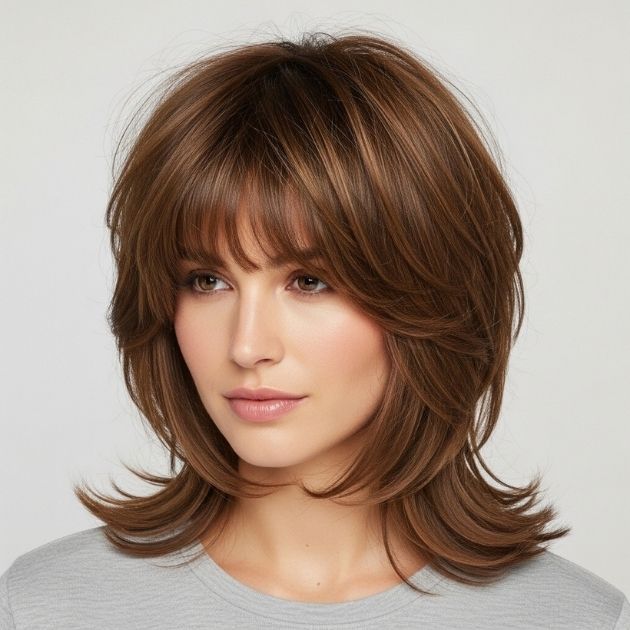
Not all shags look alike. The beauty of this cut is how easily it adapts to different lengths, textures, and personal styles. Below are ten of the most popular variations barbers are cutting in 2026.
Modern Layered Shag
This is the foundation and the most versatile version of the shag. It features soft, blended layers throughout, with slightly longer pieces framing the face. The crown stays light for volume while the sides and back remain controlled, giving it a clean outline that works for almost any setting.
Best for: straight to wavy hair, oval and heart-shaped faces, anyone wanting a low-effort everyday style.
Curly Shag Haircut for Men
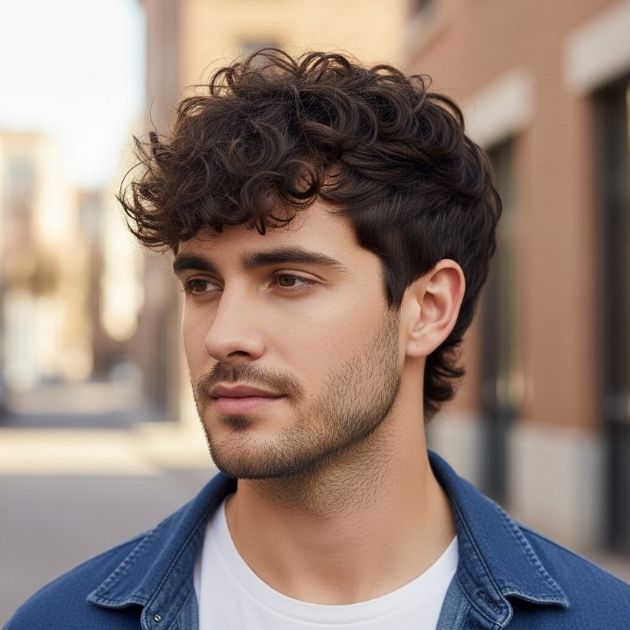
Curly hair and shag haircuts are a natural match. The layers reduce bulk and help curls fall into defined shapes instead of forming a single dense mass. Barbers typically leave slightly more length on curly versions to account for shrinkage once the hair dries.
Best for: tight curls, coils, or loose waves; men who want texture without heavy product use.
Short Surfer Shag
Inspired by beach culture, this version keeps things short and choppy with plenty of texture throughout. It’s designed to look effortless straight out of the ocean (or shower), with a tousled, windswept finish that needs almost no styling tools.
Best for: thinner hair types, active lifestyles, warm-climate living.
Asian Shag Style
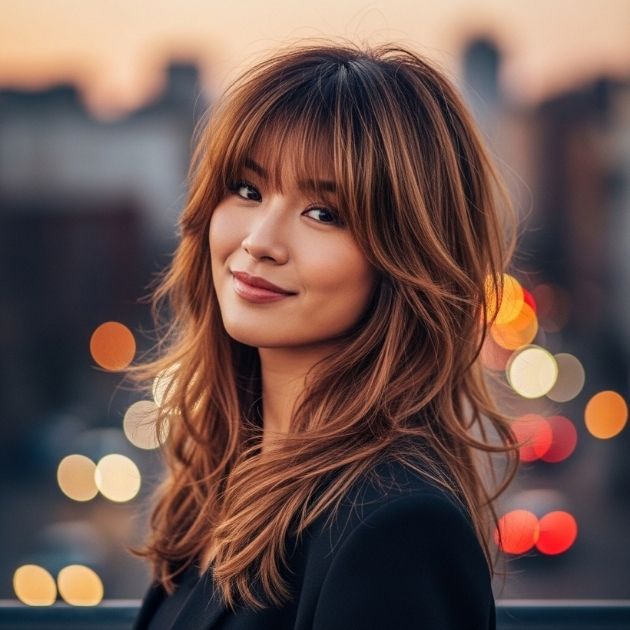
This variation leans into softness and natural flow rather than heavy texture or contrast. Light layering keeps the shape controlled while still adding movement, with length typically falling around the ears and neckline to frame the face gently.
Best for: thick, straight hair that needs help with bulk and shape.
Messy Rocker Shag
The closest modern descendant of the original 70s shag. Longer layers, a fuller fringe, and an intentionally undone finish give this style serious rock-star energy. It works particularly well on medium-to-long hair with natural wave or texture.
Best for: men growing their hair out, music and creative industries, statement looks.
Business Casual Shag
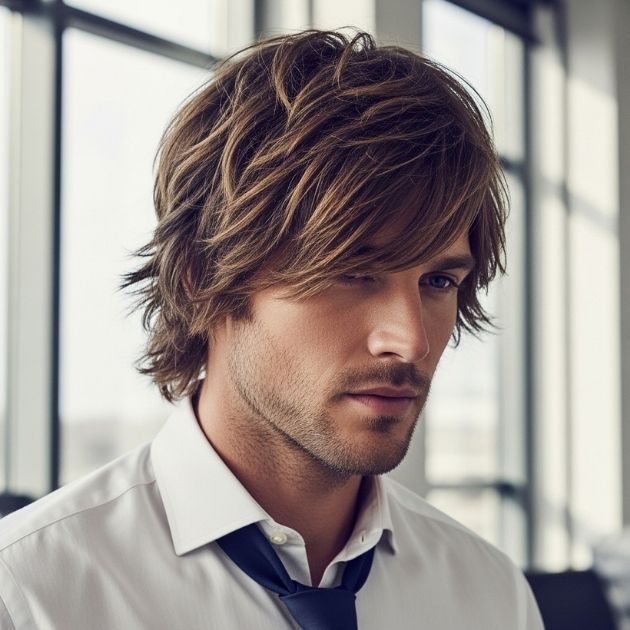
A toned-down version built for professional settings. The layering is subtler, the sides stay tighter, and the fringe is groomed rather than left fully loose. It offers just enough texture to feel modern without looking unkempt in a boardroom.
Best for: corporate environments, shorter hair lengths, low-maintenance grooming routines.
Fringe-Forward Shag
This variation puts the spotlight on a heavy, textured fringe that sweeps across the forehead. The rest of the shag stays relatively simple, letting the fringe become the standout feature of the cut.
Best for: men with longer face shapes, those wanting to soften a strong forehead or hairline.
Long Layered Shag
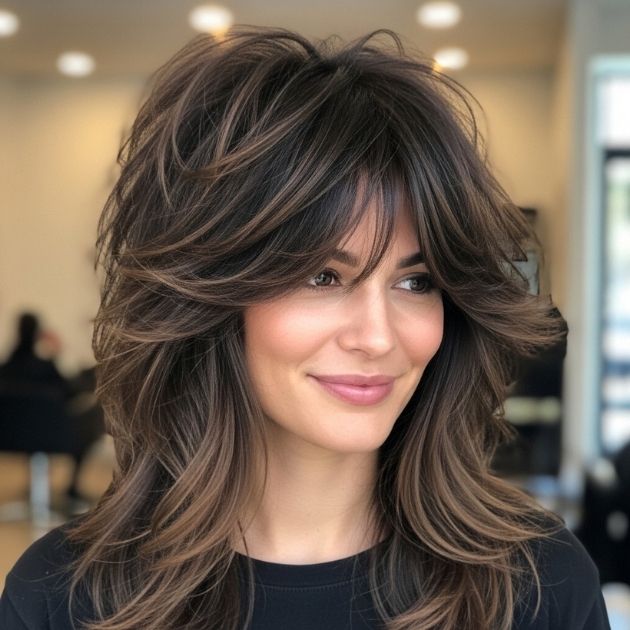
For men growing their hair past shoulder length, this version uses choppy layers throughout to prevent the classic “helmet” look that long hair can develop without texturizing. It adds volume at the crown and movement at the ends.
Best for: long hair, wavy or curly textures, men wanting maximum versatility in styling.
Mod-Inspired Shag
A nod to 1960s mod culture combined with shag layering think geometric shapes softened by texture. This version keeps a defined silhouette while adding choppy ends for a slightly retro, fashion-forward look.
Best for: fine to medium hair, men who want a distinctive, slightly vintage edge.
Textured Crop-Shag Hybrid
This combines the cropped sides of a textured crop with the layered, tousled top of a shag. It’s a great option for men who want shorter sides but still crave volume and movement on top.
Best for: men transitioning from a fade, thick hair that holds texture well, low-maintenance styling.
Shag Haircuts by Hair Type
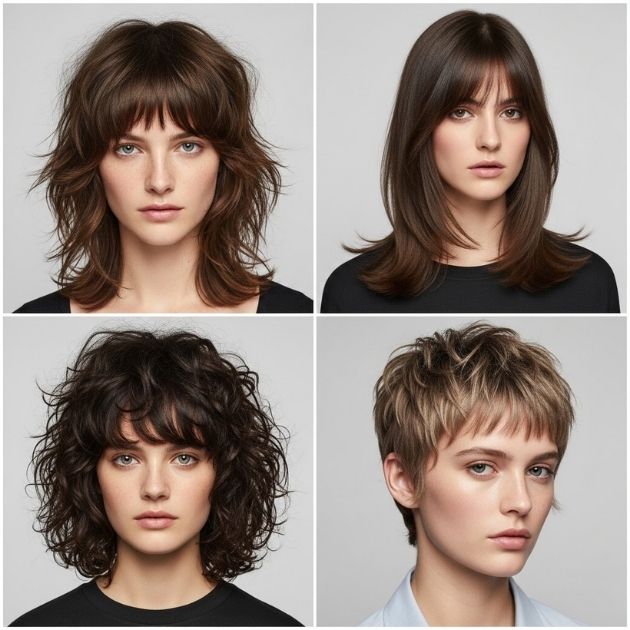
Choosing the right shag variation often comes down to your natural hair type. Here’s a quick reference table.
| Hair Type | Recommended Shag Style | Barber Tip |
| Straight | Modern Layered Shag, Short Surfer Shag | Ask for extra texturizing so hair doesn’t fall flat |
| Wavy | Messy Rocker Shag, Long Layered Shag | Request face-framing layers to enhance natural movement |
| Curly | Curly Shag Haircut, Long Layered Shag | Leave extra length to allow for shrinkage when dry |
| Thick | Textured Crop-Shag Hybrid, Business Casual Shag | Ask for bulk removal to prevent a heavy, boxy shape |
| Fine | Mod-Inspired Shag, Short Surfer Shag | Avoid over-thinning fewer, well-placed layers work best |
Matching the cut to your hair type isn’t just about looks it directly affects how easy the style is to maintain day to day.
Styling and Maintenance Tips
One of the biggest reasons men choose a shag is the low-maintenance factor. That said, “low-maintenance” doesn’t mean “no effort.” A few simple habits go a long way.
Start with a lightweight product such as sea salt spray, light mousse, or matte paste, which enhances texture without weighing the hair down. Style on damp rather than soaking wet hair: towel-dry first, then apply product before scrunching or finger-styling, and air-dry whenever possible to preserve the tousled, undone look that defines the shag. It also helps to avoid over-brushing, since brushing can smooth out the texture you’re trying to keep fingers or a wide-tooth comb work better. Plan for a trim every six to eight weeks; shags grow out gracefully, but regular light trims keep the layers from blending into one shapeless mass. Between cuts, a small amount of dry shampoo or texturizing spray on day two or three can refresh the shape without a full restyle.
Pro Barber Tips for a Natural Flow
Getting a shag that looks effortless rather than messy comes down to communication with your barber and a few technical details.
Ask for “feathered ends” rather than blunt cuts, since this is the detail that creates natural-looking movement, and request a clean outline around the ears and neckline even if the top stays loose and textured that contrast is what keeps the cut looking intentional rather than overgrown. It also helps to bring a reference photo that matches your hair type, not just a style you like the look of, because a curly shag on straight hair will behave very differently. Be honest with your barber about your styling routine: if you’re not going to use heat tools daily, ask for a cut that air-dries well. Keeping the crown lighter than the sides is what gives the shag its signature volume without making it look puffy, and if your hair is thick, ask about bulk removal techniques like point-cutting or thinning shears to avoid a heavy, dome-shaped silhouette.
Common Mistakes to Avoid
A few small missteps can turn a great shag into a cut that just looks unkempt. Watch out for these.
Going too short on the layers is a common one over-thinning can leave the hair looking sparse rather than textured. Skipping the outline is another, since without a clean edge around the ears and neckline, the cut can look careless rather than deliberately tousled. Heavy products are also a problem: thick gels or waxes flatten the layers and remove the natural movement that makes a shag work. Ignoring your hair type can throw off the whole result, because a style that looks great on wavy hair might need adjustments for straight or curly textures there’s no single approach that fits all. Waiting too long between trims is forgiving up to a point, but letting a shag grow out completely will blur the layering and lose the shape entirely. And finally, choosing a cut based only on photos can backfire, since face shape, hair density, and growth pattern all affect how a shag will actually sit on your head.
FAQ’S
Is a shaggy haircut high-maintenance?
No shags are designed to be low-maintenance. Light products and air-drying are usually enough to keep the style looking good.
What face shapes suit a shag the most?
Oval, square, and heart-shaped faces tend to suit shags best, since the layers soften angular features and balance proportions.
How often should I get my shag trimmed?
Every six to eight weeks is typical, though shags grow out more gracefully than most other cuts.
Can I get a shag with thick or curly hair?
Yes curly and thick hair types often suit shags exceptionally well, especially with extra length to manage volume and shrinkage.
What’s the difference between a shag and a wolf cut?
A wolf cut combines shag-style layering on top with a longer, mullet-inspired back section, creating a more dramatic length contrast than a standard shag.
Conclusion
The shag has stayed relevant for one simple reason: it adapts. From the rebellious layers of the 1970s to the refined, wearable shapes barbers are cutting in 2026, shaggy haircuts for men continue to prove that texture and movement never really go out of fashion. Whether you’re drawn to a short surfer shag, a long rocker-inspired mane, or something in between, this cut works with almost any hair type and face shape, making it one of the most flexible choices a man can make at the barbershop.
What sets shaggy haircuts for men apart is how little they demand in return. A bit of product, the occasional trim, and you’re set for weeks without constant restyling. If you’re ready for a change, talk to your barber about the variation that fits your hair texture and lifestyle, and let the layers take care of the rest.