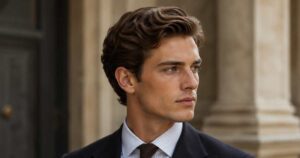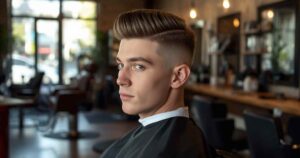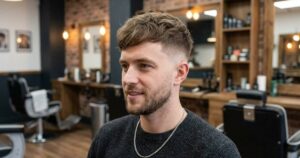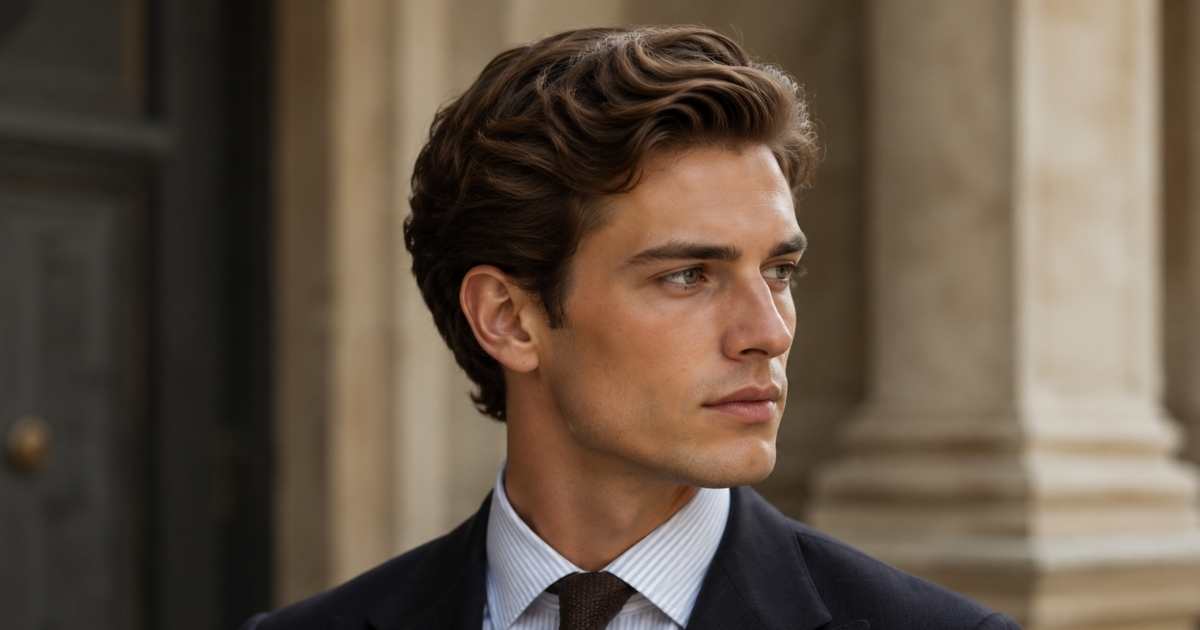
There is a version of style that never tries too hard. It does not chase viral trends or demand attention with sharp fades and dramatic volume. Old money hairstyles for men work exactly this way quietly refined, structurally clean, and instantly recognizable to anyone who understands grooming heritage.
Rooted in Ivy League culture, European aristocracy, and prep school tradition, these cuts communicate wealth through restraint and discipline. If you want a haircut that looks polished in every room you walk into, this guide covers all 20 styles, how to choose the right one, and exactly what to say at the barbershop.
Top Old Money Hairstyles for Men
Discover Your Best Look
The table below gives you a quick snapshot of each style before diving into the details.
| Hairstyle | Hair Length | Best Face Shape | Maintenance Level |
| Classic Taper | Short–Medium | All | Low |
| French Crop | Short | Oval, Square | Low |
| Undercut | Medium | Oval, Diamond | Medium |
| Ivy League Cut | Short–Medium | All | Low |
| Classic Slick Back | Medium–Long | Oval, Square | Medium |
| Classic Pompadour | Medium | Oval, Heart | Medium |
| Layered Cut | Medium–Long | All | Medium |
| Caesar Cut | Short | Round, Square | Low |
| Classic Quiff | Medium | Oval, Oblong | Medium |
| Layered Medium Cut | Medium | All | Medium |
| Classic Comb Over | Medium | All | Low |
| Bro Flow | Long | Oval, Square | Low |
| Side Fringe | Medium | Round, Oval | Low |
| Classic Crew Cut | Short | All | Very Low |
| Classic Side Part | Short–Medium | Oval, Round, Square | Low |
| Curtain Cut | Medium | Oval, Heart | Low |
| Scissor Cut | Short–Medium | All | Low |
| Side Swept | Medium | Round, Oval | Low |
| Brushed Back | Medium | Square, Oval | Low |
| 80/20 Haircut | Short–Medium | All | Low |
Classic Taper
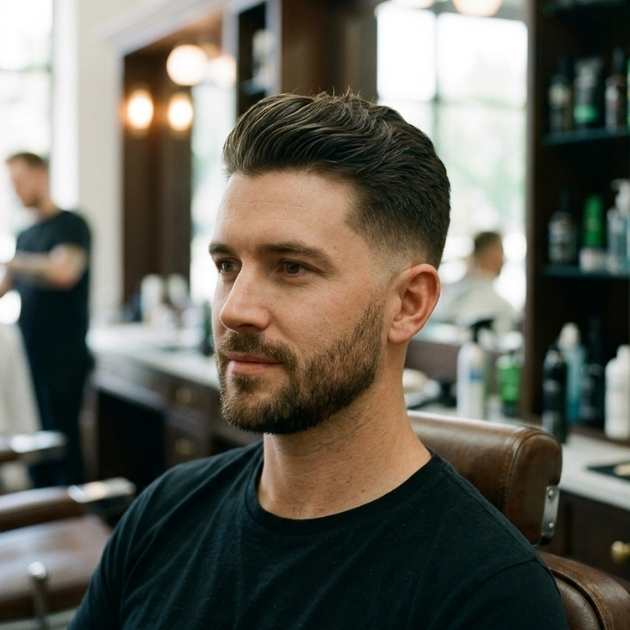
The classic taper is among the most versatile and enduring men’s haircuts in heritage grooming. Hair is kept full and textured on top while the sides and back gradually shorten toward the neckline. The result is a clean, structured silhouette that works equally well in a boardroom or at a weekend gathering. No extreme fades, no hard lines just effortless refinement that suits nearly every face shape and hair type.
Best for: All face shapes | Product: Light styling cream or matte pomade
French Crop
The French crop sits short on the sides with a neat, textured fringe sitting across the forehead. It is sharp and low-maintenance groomed without appearing overdone. The style suits men with straight or wavy hair and requires very little product to look intentional. Among old money haircuts, it sits on the more contemporary end without sacrificing that quiet, polished character.
Best for: Oval and square face shapes | Product: Texture powder or light wax
Related Post: Burst Fade Design: Best Hair Design Ideas, Placement, and Barber Tips (2026)
Undercut
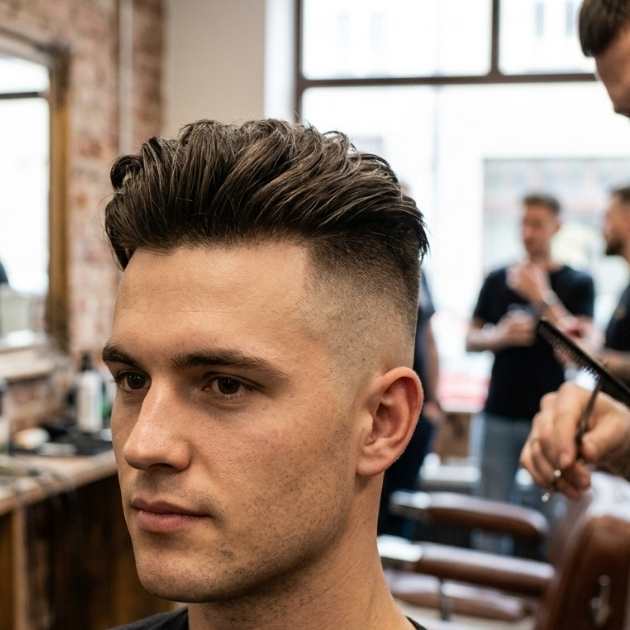
The undercut features a striking contrast between a longer, styled top and closely cut sides. In the old money context, the key is restraint the top should be combed or swept neatly rather than sculpted to extremes. When worn with a side part or brushed back, the undercut carries genuine sophistication that pairs naturally with tailored clothing and heritage accessories.
Best for: Oval and diamond face shapes | Product: Medium-hold pomade
Ivy League Cut

The Ivy League cut is arguably the most iconic old money hairstyle in existence. Named after the prestigious universities where it gained popularity in the early 20th century, it sits between a crew cut and a classic side part. The top carries 1.5 to 2 inches of length, allowing for a clean part or a casual brush-back, while the sides taper neatly. John F. Kennedy made it famous, and it continues to signal quiet authority and academic refinement.
Best for: All face shapes | Product: Light pomade or grooming cream
Classic Slick Back
The classic slick back sweeps all hair straight away from the forehead for a smooth, confident finish. It is not the heavy, gel-soaked version associated with certain decades old money slick backs rely on lightweight pomade or styling balm for a natural, touchable hold. The style works best with medium to longer hair and transitions effortlessly from formal meetings to casual social settings.
Best for: Oval and square face shapes | Product: Light hold pomade or styling balm
Classic Pompadour
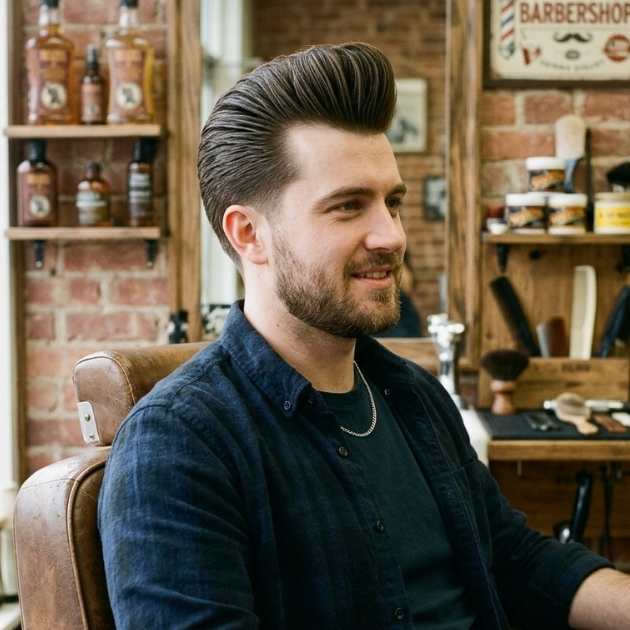
The classic pompadour lifts hair at the front and sweeps it back with a polished finish. In its old money interpretation, the volume is restrained rather than dramatic elevated enough to show intention, but never ostentatious. This style has been worn by European heirs and American style icons alike since the 1950s. It reflects subtle flamboyance balanced by impeccable grooming.
Best for: Oval and heart face shapes | Product: Medium-hold cream or light pomade
Layered Cut
The layered cut builds movement and volume across the top and sides through stacked sections of varying length. It looks naturally full without appearing heavy, making it ideal for men with thicker hair who want to avoid a flat or limp finish. A small amount of styling cream through damp hair, followed by a blow-dry with a brush, creates that soft, polished result synonymous with quiet elegance.
Best for: All face shapes | Product: Styling cream
Caesar Cut
The Caesar cut keeps hair short with a straight, forward-brushed fringe that sits evenly across the forehead. It is clean, low-maintenance, and historically linked to structured, disciplined aesthetics. Adding a touch of texture powder lifts the crown and prevents the style from looking flat. For men who want a no-fuss old money look, the Caesar cut delivers without demanding daily effort.
Best for: Round and square face shapes | Product: Texture powder
Classic Quiff
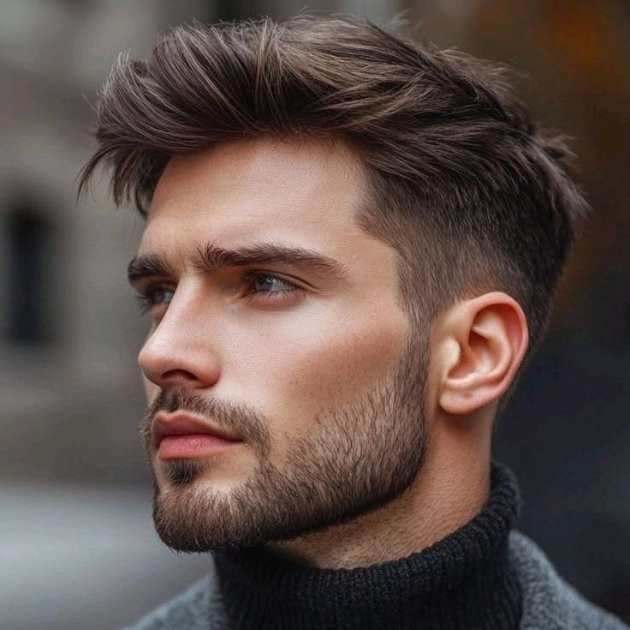
The classic quiff builds modest volume at the front and sweeps it slightly back, balancing facial angles without becoming overdone. Side strands stay combed and controlled, adding a hint of asymmetry that signals careful grooming. A light gloss following the natural hair grain keeps the finish elegant rather than stiff. This is a heritage style that whispers generational wealth in measured tones.
Best for: Oval and oblong face shapes | Product: Light pomade or styling cream
Layered Medium Cut
The layered medium cut allows hair to fall naturally in feathered sections around the sides and top. It creates a relaxed but dignified appearance the kind of effortless finish that looks considered without appearing sculpted. Roots are lifted slightly with a blow-dry brush, and a small amount of styling cream keeps layers smooth and flexible throughout the day.
Best for: All face shapes | Product: Styling cream or light serum
Classic Comb Over
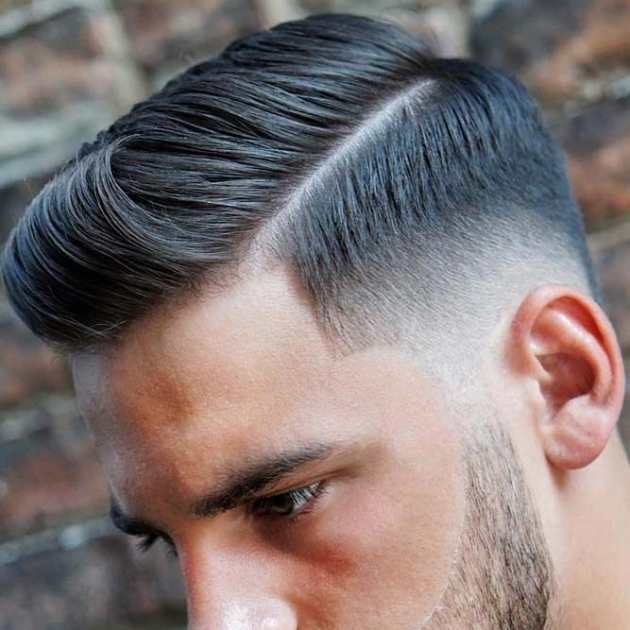
The comb over has evolved far beyond its outdated reputation. In its classic, old money form, longer hair on top is combed smoothly to one side while the back and sides remain neatly tapered or faded. The result is modern sophistication with deep historical roots. Matte products preserve the refined look without unnecessary shine. This haircut suits virtually every age and works particularly well with structured, formal wardrobes.
Bro Flow
When worn with care and cleanliness, the bro flow becomes a representation of relaxed wealth rather than casual indifference. Medium to longer hair is allowed to flow naturally, with soft structure maintained through occasional trimming and clean edges at the neckline. It suits men who want an effortless, European-inspired look think seaside estates and linen shirts rather than anything unkempt.
Best for: Oval and square face shapes | Product: Light leave-in cream or serum
Side Fringe
The side fringe keeps the top longer and gently pushes it to one side, creating a soft piece of hair that falls over the forehead. The sides stay shorter and well-defined. It is low-maintenance but highly intentional a haircut that looks thoughtfully chosen without requiring daily effort. A small amount of styling cream keeps the fringe in place while maintaining natural movement.
Best for: Round and oval face shapes | Product: Light styling cream
Classic Crew Cut
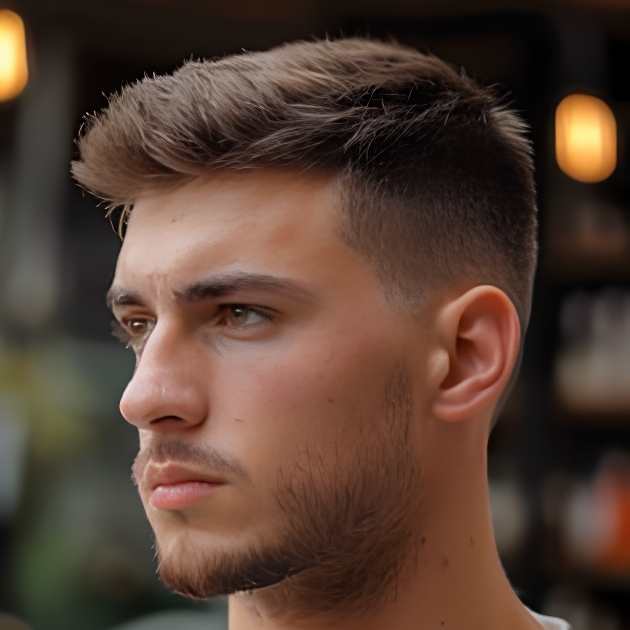
The crew cut is short, clean, and quietly confident. Hair on top is trimmed close enough to show texture and natural movement, while the sides and neckline remain sharp and tidy. It is one of the most universally flattering shapes in traditional men’s grooming, suiting virtually every face shape and hair type. A dusting of texture powder adds gentle lift and all-day hold.
Best for: All face shapes | Product: Texture powder or matte clay
Classic Side Part
The classic side part divides hair with a clean, defined lateral line and combs each section smoothly into place. It has been a staple of elite grooming since the 1920s, associated with figures like Cary Grant and Fred Astaire. A small amount of light pomade adds healthy, natural shine without making hair look greasy. This is arguably the most universally flattering old money hairstyle for men, working across oval, round, and square face shapes alike.
Best for: Oval, round, and square face shapes | Product: Light pomade
Curtain Cut
The curtain cut parts hair down the center and falls softly on both sides of the face. It gained its iconic status in the 1990s and has since been reinterpreted as a naturally elegant, heritage-aligned choice. When kept at medium length with clean edges and minimal product, it reads as refined rather than retro. It suits men with straight to slightly wavy hair who want a relaxed, European-inspired aesthetic.
Best for: Oval and heart face shapes | Product: Light hold cream or no product
Scissor Cut
The scissor cut is defined as much by technique as by shape. Unlike clipper-heavy styles, scissor work produces softer, more natural-looking edges that align perfectly with the old money grooming philosophy. The result is a clean, polished haircut that never appears harsh or overdone. Any traditional style side part, taper, or crew cut takes on additional refinement when executed with scissors.
Best for: All face shapes | Product: Depends on chosen style
Side Swept
The side swept style draws hair across the forehead in one clean direction, creating a relaxed but deliberate finish. It works beautifully for men with natural texture or soft waves, as the hair’s own movement adds character without requiring heavy product. The sides stay close, and the overall impression is one of aristocratic understatement structured enough to look intentional, natural enough to appear effortless.
Best for: Round and oval face shapes | Product: Light cream or styling balm
Brushed Back
The brushed back style draws all hair away from the face using a brush or comb, sitting flat and smooth against the head. It signals grooming discipline a man who invests in his appearance without performing it. A light hold cream or styling balm keeps everything in position without stiffness. This is a practical, low-effort option that consistently delivers the polished result essential to the old money aesthetic.
Best for: Square and oval face shapes | Product: Light hold cream or balm
80/20 Haircut
The 80/20 haircut distributes the majority of hair to one side of the part, creating a slightly asymmetric but fully deliberate and balanced appearance. The heavier side carries most of the volume; the lighter side stays close and tapered. It is a refined alternative to the traditional side part and works particularly well for men who want something classic with a subtle, distinguishing detail.
Best for: All face shapes | Product: Light pomade or styling cream
What Is an Old Money Hairstyle?
An old money hairstyle is a classic, well-structured men’s haircut rooted in heritage grooming traditions associated with Ivy League universities, European aristocracy, and generational wealth. These styles prioritize restraint and refinement over trend-driven elements such as high-contrast fades, heavy texture, or extreme volume.
Key characteristics include:
- Clean lines and natural tapering no harsh contrasts or dramatic fades
- Subtle, touchable styling lightweight pomades and creams over heavy gels
- Timeless proportions cuts that flatter facial features without overpowering them
- Grooming discipline regular trims and healthy hair maintained through conditioning
Unlike modern trend-forward haircuts, old money styles have been worn by elite professionals, prep school graduates, and aristocratic families for generations. They look polished in every context boardrooms, country clubs, formal dinners, and casual weekend outings alike.
How to Choose the Right Old Money Hairstyle
Consider Your Face Shape
Face shape is one of the most important factors in choosing a haircut that looks naturally flattering rather than forced.
| Face Shape | What Works Best |
| Oval | Almost any cut the most versatile shape |
| Square | Softer styles that ease angular jawlines |
| Round | Styles with height like a quiff or pompadour |
| Oblong / Long | Shorter cuts with width to balance length |
| Diamond | Undercuts and tapers that balance a narrow forehead |
| Heart | Longer tops and curtain cuts to balance a wider forehead |
Know Your Hair Type
Hair texture plays a direct role in how a style holds and behaves throughout the day.
- Fine hair benefits from cuts that add volume layered cuts, quiffs, and tapers with texture
- Thick hair needs cuts that manage bulk crew cuts, tapers, and comb overs work well
- Wavy or curly hair naturally carries relaxed styles like the bro flow or side swept
- Straight hair holds structured styles like the side part and slick back particularly well
Match the Style to Your Lifestyle
A haircut should work with your daily routine, not against it. If you travel frequently or have long working hours, low-maintenance styles like the taper, crew cut, or side part require minimal styling. If you enjoy a morning grooming ritual, the slick back, pompadour, or quiff reward a little extra attention. Always consider how often you can realistically visit a barber old money cuts typically need a trim every 3 to 5 weeks to maintain their clean shape.
How to Ask Your Barber for an Old Money Haircut
Use the Right Terms
Barbers respond to specific, clear language. Rather than saying “something clean and classic,” use terms like:
- “Tapered sides, not faded”
- “Clean part on the left with natural volume on top”
- “Scissor-cut throughout for a softer finish”
- “No clipper texture on top keep it smooth and connected”
Phrases like “understated,” “heritage grooming,” and “no hard lines” all communicate the old money aesthetic clearly.
Bring a Reference Photo
A single reference photo eliminates ambiguity. Choose one that matches your hair type and the overall feel you want. Barbers can recreate structure, proportions, and texture more accurately when they can see the exact outcome you have in mind. Screenshots from style guides or editorial grooming content work particularly well.
Keep It Simple
Old money grooming is defined by simplicity. Avoid asking for multiple trends within one cut no textured fades combined with a slick back, no heavy taper with an aggressive part. The simpler your request, the closer the result will align with the quiet refinement these styles are known for. Trust a skilled barber who understands classic men’s haircuts to execute the details.
Conclusion
Old money hairstyles for men represent something that trend-driven cuts rarely achieve: genuine staying power. These are not styles that peaked in one decade and faded. They have been worn by Ivy League students, European aristocrats, Wall Street professionals, and modern gentlemen for generations because they work. Clean lines, natural texture, and disciplined grooming communicate wealth and confidence far more effectively than anything loud or overdone. Whether you choose the iconic side part, the effortless bro flow, or the structured Ivy League cut, each one rewards good barbering and consistent upkeep.
Choosing the right old money hairstyle comes down to three things: knowing your face shape, understanding your hair type, and matching the style to your daily life. Start with a trusted barber who appreciates classic grooming, bring a reference photo, and ask for scissor work and natural tapering. Pair your cut with quality clothing and a consistent grooming routine, and the result is exactly what the old money aesthetic promises effortless sophistication that never tries too hard.