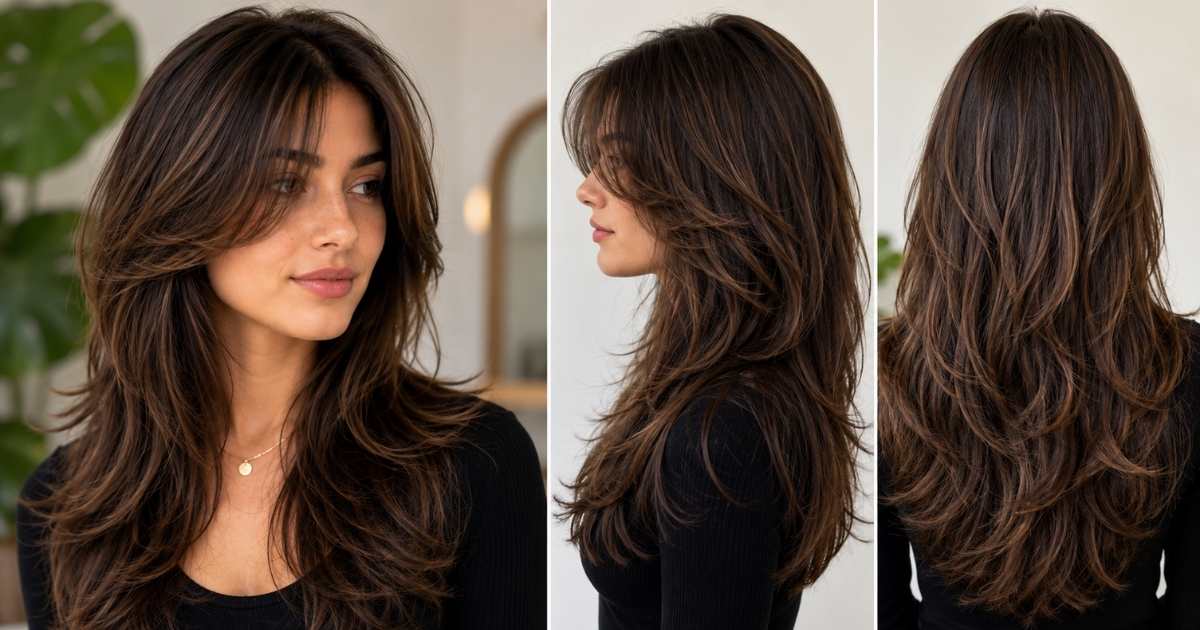
Layers remain one of the most requested haircut styles year after year, and 2026 is no different. Whether your hair is fine and needs volume, thick and needs weight removed, or somewhere in between, the right layering technique can completely change how your hair moves, falls, and frames your face.
This guide breaks down the best layered haircuts for long, medium, and short hair, plus how to match layers to your hair type, face shape, and lifestyle so you walk into the salon knowing exactly what to ask for.
What Is a Layered Haircut?
A layered haircut is cut at varying lengths throughout the head rather than one uniform length. Shorter pieces sit on top of longer ones, creating shape, movement, and dimension instead of a flat, blunt silhouette. The technique can be subtle, with only a few inches of difference between sections, or dramatic, with several distinct tiers stacked on top of each other.
Benefits of Layered Haircuts
Layers solve some of the most common hair complaints in one cut. Fine hair gets lift and the illusion of thickness, while dense or coarse hair loses the bulk that makes it feel heavy and hard to manage. Beyond volume control, layers also speed up morning routines, since textured ends fall into place with far less brushing and blow-drying than a single-length cut requires.
Are Layered Haircuts Right for You?
Almost anyone can wear layers the technique simply changes depending on your hair density, texture, and face shape. If your hair currently feels flat by midday, frizzes without shape, or takes too long to style, a layered cut is usually the fix rather than a completely different length. The main exception is very short, fine hair, where too many layers can leave ends looking sparse instead of full.
Different Types of Hair Layers
Not all layers are created equal, and knowing the difference helps you brief your stylist accurately. The table below breaks down the main categories used across 2026’s most popular cuts.
| Layer Type | Description | Best For |
| Long layers | Subtle, gradual length changes | Fine to medium hair |
| Short layers | Dramatic, closely stacked cuts | Thick or coarse hair |
| Face-framing layers | Shorter pieces around the face only | All hair types |
| Choppy/textured layers | Point-cut, uneven ends | Straight or wavy hair |
Related Post: Burst Fade Buzz Cut: 20 Sharp Styles for Men in 2026
Best Layered Haircuts for Long Hair
Long hair benefits enormously from layering it prevents the heavy, triangular shape and adds the movement that makes length look intentional rather than flat. Below are six of the most flattering long-layer options making the rounds in 2026.
1. Butterfly Layers
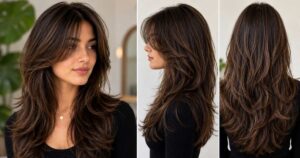
Butterfly layers create a dramatic two-tier effect, with extra volume built up at the crown that cascades into longer, softer lengths below. The style photographs beautifully because it catches light and movement from every angle, especially when blow-dried with a round brush. It’s most flattering on fine to medium hair and suits oval or heart-shaped faces particularly well, with trims recommended every 8–10 weeks.
2. Long Waterfall Layers
Waterfall layers are cut in soft, continuous gradients that flow from the crown down to the ends, mimicking the gentle motion of falling water. This is one of the rare cuts considered universally flattering, since the gradual layering adapts to almost any bone structure. Thick hair in particular benefits, as the technique removes excess weight while air-drying into a naturally polished shape.
3. Face-Framing Layers with Long Hair

This style keeps the bulk of your length intact at the back while cutting strategic shorter pieces around the front to draw attention to the face. It’s a smart option for anyone who wants a refresh without sacrificing overall length, since only the front sections need regular touch-ups. Round and square face shapes benefit most, as the framing pieces soften stronger jawlines and cheekbones.
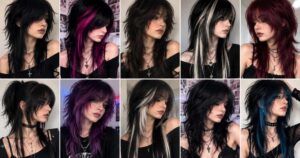
4. 70s-Inspired Shag Layers
The shag borrows its choppy, undone texture from 70s rock-and-roll styling but has been softened for modern wear. Heavy layering throughout the mid-lengths and ends gives the hair a lived-in, tousled quality that looks intentional rather than messy. It works particularly well on wavy or straight hair for oval and heart-shaped faces, and needs little more than a texturizing spray to maintain.
5. Long Choppy Layers
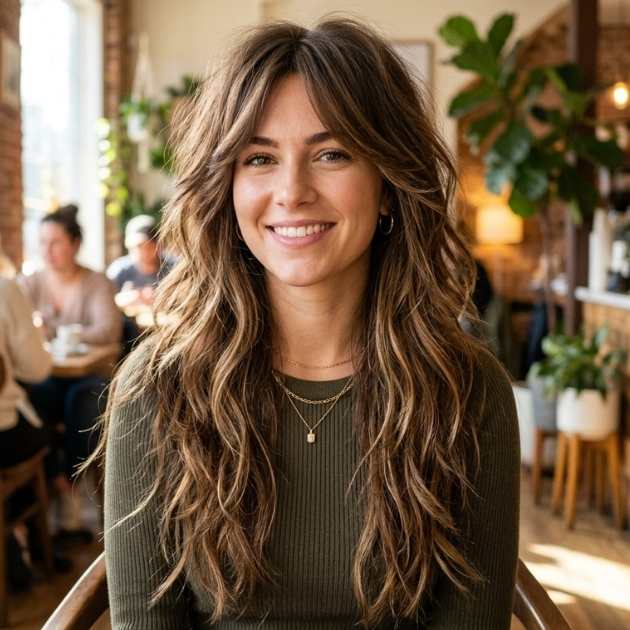
Choppy layers are created through point-cutting, a technique that leaves visibly uneven, piecey ends rather than smooth, blended transitions. The result is a fashion-forward, editorial look that adds grit and dimension to otherwise straight or one-length hair. Because the choppy ends are part of the design, this cut suits virtually every face shape and hair texture, though monthly trims keep the shape from growing out awkwardly.
6. V-Cut Layers
The V-cut is named for the distinctive V-shape it creates at the back of the hair, tapering the ends to a defined point while layering gradually toward the crown. This structure gives even very long hair a sense of shape and movement that a blunt cut can’t achieve on its own. It looks equally striking worn poker-straight or styled into loose curls, and holds its form well between salon visits.
Best Layered Haircuts for Medium Hair
Medium length roughly collarbone to shoulder is where layers arguably do their best work. It’s polished enough for the office yet effortless enough for evenings out, and the six cuts below represent the most requested medium-length styles of 2026.
7. Layered Lob (Long Bob)
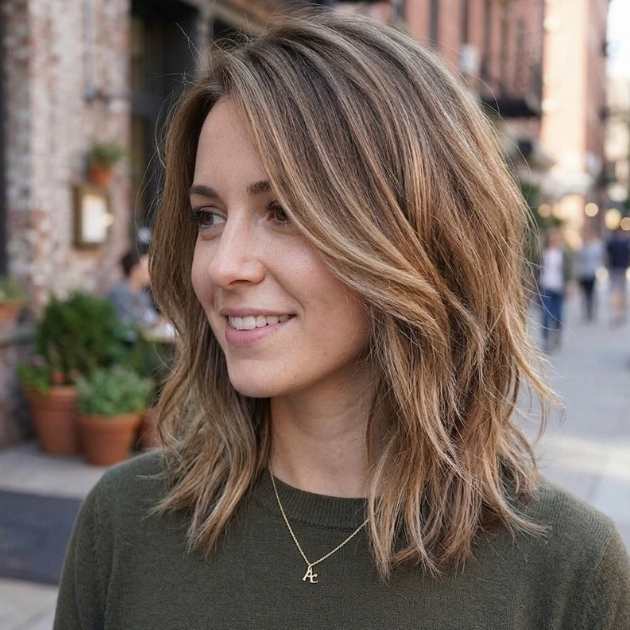
The layered lob has held its place as one of the most consistently popular haircuts for several years running, and 2026 is no exception. Falling between the collarbone and shoulders, it’s flattering across every face shape and hair type, transitioning easily from sleek and straight to loose beach waves. Its biggest appeal is versatility it reads professional at work and undone after hours with almost no extra styling effort.
8. Medium Shag with Layers
This shorter take on the shag delivers the same rock-inspired, choppy texture as its long-hair counterpart but in a more compact, low-maintenance package. Fine to medium hair densities respond particularly well, since the layering adds volume without thinning already-light strands. Styling is refreshingly simple: scrunch in a texturizing product and let it air-dry for an effortless finish.
9. Curtain Fringe with Medium Layers

Pairing a soft, sweeping curtain fringe with medium-length layers brings a 70s-inspired softness to the face. The fringe pieces blend seamlessly into the surrounding layers rather than sitting as a separate block, which keeps the overall look cohesive. It’s especially useful for long or square face shapes, since the fringe adds visual width across the forehead.
10. Collarbone Cut with Soft Layers
This is the quiet, elegant option among medium-length cuts, using gentle layering to create movement without any dramatic texture or choppiness. It suits nearly any hair type and reads polished in professional settings, whether worn sleek or with soft texture added. Maintenance is straightforward, with most clients returning every eight weeks to keep the shape crisp.
11. Blunt Lob with Internal Layers

On the surface, this cut looks like a sharp, blunt bob, but hidden internal layers underneath add fullness that a true one-length cut can’t provide. It’s an especially smart choice for fine hair, since the concealed layers create body without any visible choppiness at the perimeter. The result is a cut that photographs cleanly while still feeling soft and full in person.
12. Shoulder-Length Layered Bob
A classic graduated bob with layers built in throughout, this style is designed specifically to lighten hair that feels heavy at shoulder length. Thick hair types benefit the most, as the internal layering removes bulk while preserving the bob’s signature shape. A paddle brush and a standard round-barrel blow-dry are typically all that’s needed to maintain it.
Best Layered Haircuts for Short Hair
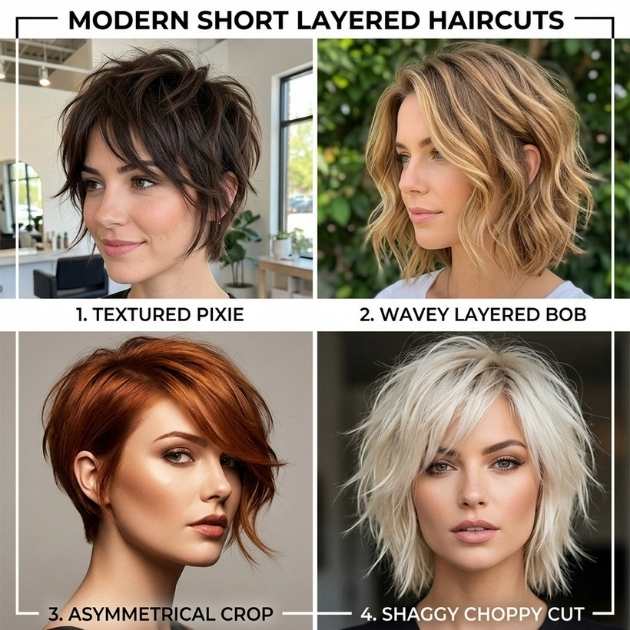
Short layered cuts inject personality fast, adding texture and dimension that a single-length crop simply can’t achieve. These six styles are leading the way for short hair in 2026.
13. Layered Pixie Cut
The layered pixie combines closely cropped sides with feathered, textured layers on top, giving the style a soft yet confident finish. It’s a cut that rewards a bit of daily styling a small amount of texturizing paste worked through the ends creates piecey definition that holds all day. Oval and heart-shaped faces suit it particularly well, and regrowth is manageable with trims every four to six weeks.
14. Choppy Layered Bob

Landing at chin length, this bob uses deliberately visible texture rather than a smooth, uniform edge, giving it an edgier finish than a classic bob. The choppiness works especially well for softening square or round face shapes, breaking up strong angles at the jaw. A quick tousle with sea salt spray is usually enough to bring out the cut’s natural texture.
15. French Bob with Subtle Layers
Often described as effortlessly chic, the French bob sits at jaw length and uses delicate, understated layering rather than heavy texture. It suits straight hair best, where the subtle layers show clean, defined lines rather than getting lost in waves. Styled sleek with the fringe brushed forward, it’s one of the lowest-maintenance short cuts on this list.
16. Textured Crop with Layers

This androgynous, fashion-forward crop leans into short layering for a bold, minimal-effort finish that often needs no more than air-drying. It works across all hair types and is particularly striking on those with strong facial features, since there’s no length to soften the lines. Regular monthly trims are essential here, as the short layers grow out noticeably faster than longer cuts.
17. Layered Bob with Fringe
This playful combination pairs a layered bob with a face-framing fringe, creating two focal points that work together rather than competing. It’s especially flattering for longer face shapes, since the fringe visually shortens the overall length of the face. Fine to medium hair types get the most benefit, and a round brush on both the fringe and ends keeps the shape polished.
18. Asymmetrical Layered Bob
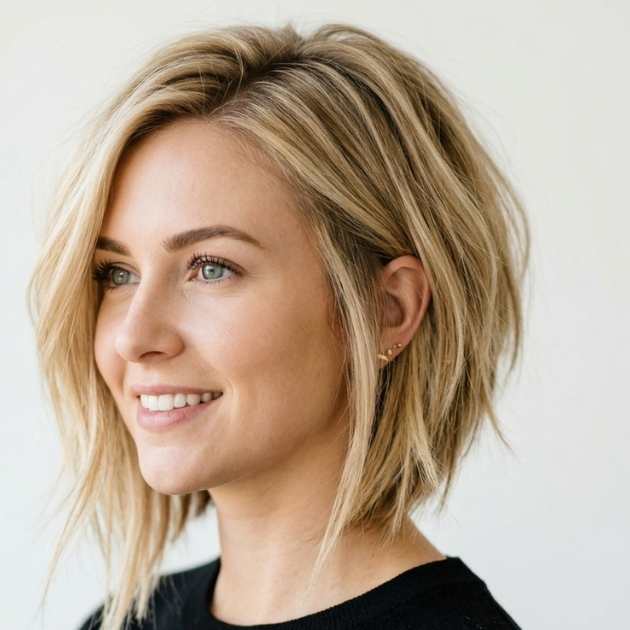
One of the boldest options on this list, the asymmetrical bob keeps one side noticeably longer than the other, with layering added throughout to enhance the imbalance. It’s a genuine statement cut best suited to oval faces and confident personalities who want their hair to stand out. Straightening tends to maximize the dramatic effect, sharpening the contrast between the two lengths.
Best Layered Haircuts by Hair Type
Matching the layering technique to your natural texture is what separates a good haircut from a great one. The sections below cover what actually works and what to avoid for each hair type.
Layered Haircuts for Fine Hair
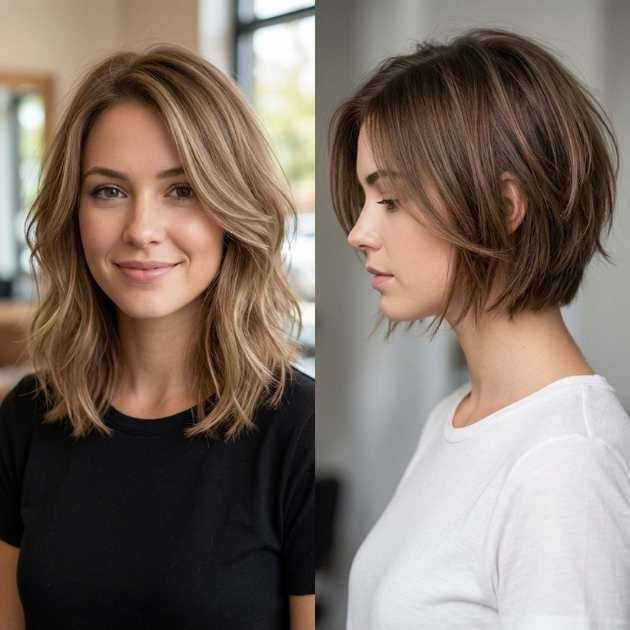
Fine hair does best with subtle layers that start mid-length rather than close to the roots, since too much layering near the top can strip away density. Butterfly layers and soft lobs are reliable choices, and a lightweight root-lifting spray applied before blow-drying enhances the effect further. Heavy oils and thick creams should be avoided, as they tend to weigh already-fine strands down.
Layered Haircuts for Thick Hair

Thick or coarse hair generally needs generous, chunky layers to remove bulk minimal layering tends to leave it feeling heavy and shapeless. Long shags, choppy bobs, and medium layered cuts all work well here, since the layering technique is built to redistribute weight rather than simply shorten strands. A smoothing cream helps control any frizz while still letting the natural texture show through.
Layered Haircuts for Curly Hair
Curls respond best to long, gradual layers that follow and enhance the natural curl pattern rather than fighting against it. Waterfall layers and long face-framing pieces are strong choices, though it’s worth insisting your stylist cuts the hair while dry so they can see exactly how each curl falls. Diffusing rather than air-drying helps keep frizz under control between salon visits.
Layered Haircuts for Wavy Hair
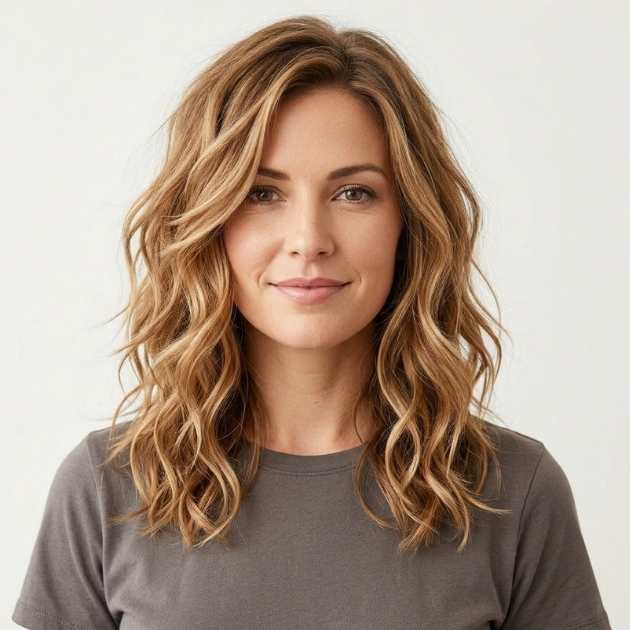
Wavy hair sits somewhere between straight and curly, and it tends to look its best with layers that add movement without disrupting the natural wave pattern too aggressively. Waterfall and face-framing layers both work particularly well, letting the waves fall naturally rather than being forced into a rigid shape. Minimal heat styling is usually all that’s needed to bring out the texture.
Layered Haircuts for Straight Hair
Straight hair is the most forgiving texture for layering, since almost any style translates cleanly without the unpredictability that waves or curls can introduce. This makes it the easiest hair type to experiment with, whether that’s choppy, face-framing, or dramatic butterfly layers. A texturizing product is still worth using afterward, since straight hair can otherwise look one-dimensional despite the cut.
Layered Haircuts for Coily Hair

Coily hair requires a more careful approach, with layers placed strategically to maintain overall shape rather than thinning the hair heavily, which can lead to frizz. Long layers and face-framing pieces tend to work best, and as with curly hair, cutting while dry is essential to see the true shrinkage pattern. Seeking out a stylist who specializes in textured hair makes a noticeable difference in the final result.
Best Layered Haircuts by Face Shape
Your face shape is one of the biggest factors in how flattering a layered cut will be, and the table below offers a quick reference for matching layers to your features.
| Face Shape | Best Layers | Styling Goal |
| Round | Long layers, side fringe | Elongate the face |
| Oval | Any layer style | Enhance natural balance |
| Square | Soft, wispy layers | Soften angular jawline |
| Heart-Shaped | Layers from chin down | Balance forehead and chin |
| Long | Layers at cheekbone level | Add width |
| Diamond | Chin-length or longer layers | Highlight cheekbones |
How to Ask Your Stylist for a Layered Haircut
Clear communication before the scissors come out is what turns a good haircut into a great one, and it starts well before you sit in the chair.
Bring Reference Photos
Bringing three to five reference photos gives your stylist a concrete visual to work from rather than relying on verbal descriptions alone. It’s worth choosing images that show the hair from multiple angles, including how it moves, since a single front-facing photo can miss important details about layering depth.
Explain Your Hair Type
Describing exactly how your hair behaves day to day whether it frizzes in humidity, goes flat by afternoon, or holds curl well helps your stylist choose a layering technique suited to your real life rather than an idealized version of your hair. This conversation is just as important as the reference photos themselves.
Discuss Styling & Maintenance
Before committing, ask how often the cut will need trimming and whether it depends on daily heat styling to look its best. A style that requires a flat iron every morning may not suit a low-maintenance routine, so it’s worth being upfront about how much time you’re realistically willing to spend.
Trending Layered Haircuts in the UK (2026)
Each year brings its own take on classic layering techniques, and these seven cuts are currently dominating salons across the UK.
1. Bixie Haircut
The bixie merges the precision of a bob with the edge of a pixie, using heavy layering throughout to create maximum texture in a shorter silhouette. It’s become one of the most requested cuts of 2026 among clients wanting a dramatic change without going fully short. Maintenance sits around every four to six weeks to keep the shape sharp.
2. Octopus Haircut
Named for its long, tentacle-like pieces, the octopus cut takes layering to an extreme, creating exaggerated texture and movement throughout. It’s a bold choice best suited to clients who want their hair to be the focal point of their look. Trims every six to eight weeks keep the dramatic shape from softening too much.
3. Mixie Haircut
A hybrid of mullet and pixie, this cut pairs a short, cropped front with surprisingly long layered pieces at the back. It’s one of the more adventurous trends of the year, appealing to those who want a cut that photographs differently from every angle. Regular five-to-seven-week trims help maintain the contrast between front and back.
4. Jellyfish Haircut
The jellyfish cut features a rounded, weighted top that flows into soft, delicate layered lengths below, resembling the trailing tentacles of its namesake. It offers a gentler alternative to more dramatic 2026 trends, appealing to those who want texture without an edgy finish. Maintenance every six to eight weeks keeps the transition between sections smooth.
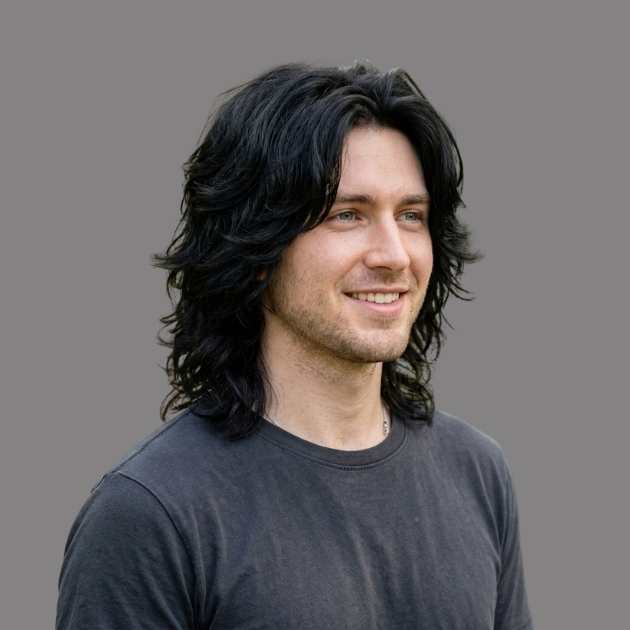
5. Wolf Cut Evolution
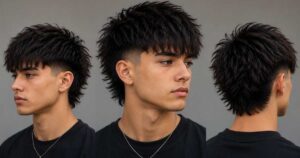
This year’s wolf cut softens the original shag-mullet hybrid into something more universally wearable, trading extreme choppiness for refined, blended texture. It’s a sign that the trend has moved from niche to mainstream, appealing to a much wider range of hair types and ages. Trims every seven to nine weeks keep the layering from growing out unevenly.
6. 90s Supermodel Layers
Inspired by the voluminous, face-framing layers popularized by supermodels in the 1990s, this cut brings back big, bouncy movement with a retro edge. It’s particularly suited to clients wanting a glamorous, confident look rather than an undone, textured finish. Because the style relies on volume, trims every eight to ten weeks help it hold its shape.
7. Updated Layered Shag
This modern shag uses more refined cutting techniques than its 70s predecessor, resulting in softer, less aggressive texture that still delivers plenty of movement. Its broad appeal across ages and hair types has made it one of the most universally popular cuts of the year. Like most shag variations, it holds up well between trims scheduled every eight to ten weeks.
What London Stylists Recommend
Stylists across London report the bixie, refined wolf cut, and butterfly layers as their most-requested cuts this year, alongside continued interest in styles inspired by Hailey Bieber’s textured layers and Alexa Chung’s effortless lob. The common thread across every recommendation is a look that feels effortless in person but is carefully engineered in the chair.
How to Style and Maintain Layered Haircuts
Getting the most out of a layered cut depends almost as much on at-home care as it does on the initial haircut itself.
Best Styling Products
A lightweight mousse or root-lifting spray is essential for fine hair chasing volume, while a smoothing cream or texturizing paste helps thicker or choppier layers hold their shape. Sea salt spray remains the go-to for enhancing natural texture in shags and undone waves, without weighing the layers down.
Styling Tips for Every Hair Type
Fine hair benefits most from root-focused blow-drying with a round brush, while thick hair often looks best with a smoothing cream applied to the mid-lengths and ends. Curly and coily textures generally respond better to diffusing than to brushing, which helps preserve the natural curl pattern rather than creating frizz.
How Often Should You Trim Layered Hair?
Most layered cuts need a trim every six to ten weeks, depending on how dramatic the layering is and how quickly your hair grows. Shorter, more textured styles like pixies and crops tend to need more frequent visits than longer, softer layers.
Why Choose a Layered Haircut?
Layers are one of the few haircut techniques that work across every length, texture, and face shape, which is exactly why they’ve remained a salon staple for decades rather than fading as a passing trend. They solve genuinely practical problems flatness, bulk, and long styling times while still looking deliberately put-together rather than simply “cut short” or “left long.” That combination of function and style is difficult to replicate with any other single technique.
Conclusion
Layered haircuts continue to dominate 2026 because they solve real, everyday hair problems while looking effortlessly polished. Whether you’re working with long, medium, or short hair, there’s a layering technique suited to your texture and face shape from the dramatic movement of butterfly layers to the low-maintenance ease of a layered lob. The sheer range of options means there’s rarely a hair type or lifestyle that layers can’t be adapted to fit.
The best results come from clear communication with your stylist. Bring reference photos, be honest about how your hair behaves day to day, and ask about maintenance before committing to a specific cut. With the right layers, cut by the right hands, your hair won’t just look good on salon day it’ll stay easy to manage and full of movement well into your next appointment.
FAQ’S
Are layered haircuts good for thin hair?
Yes subtle layers starting mid-length add lift and the illusion of density without stripping away what little thickness you have. Just avoid heavy layering too close to the roots, as it can make thin hair look even sparser.
Do layers make thick hair easier to manage?
Absolutely chunky layers cut throughout remove bulk and weight, so hair feels lighter and styles faster. Without them, thick hair tends to sit heavy and hold a stiff, triangular shape.
Which layered haircut suits a round face?
Long layers with a side-swept fringe work best, since the vertical lines elongate the face and soften rounded edges. A layered lob with a deep side part is another flattering, low-effort option.
Are layered haircuts low maintenance?
It depends on the style soft, blended layers like a collarbone cut or classic lob need minimal daily effort. Choppier, more textured cuts like shags or pixies require more frequent trims and styling attention.
How often should layered hair be trimmed?
Most layered cuts hold their shape well with a trim every 6–10 weeks. Shorter, more textured styles like crops and pixies typically need to be trimmed on the more frequent end of that range.
What’s the difference between a shag and a layered haircut?
“Layered haircut” is the umbrella technique cutting hair at varying lengths for movement and volume. A shag is a specific, heavily layered style built around choppy, textured layers throughout for a deliberately undone look.