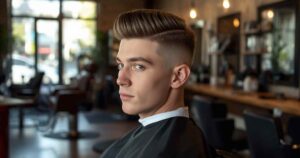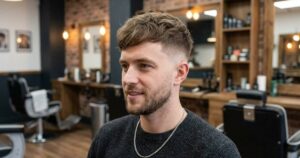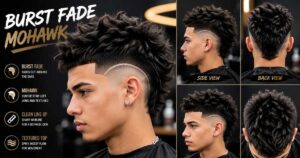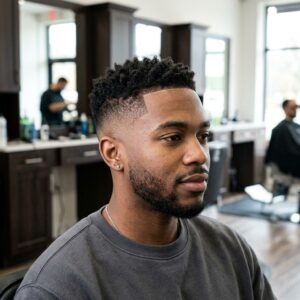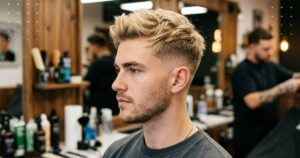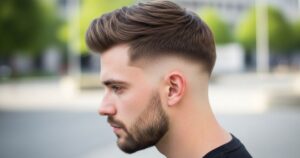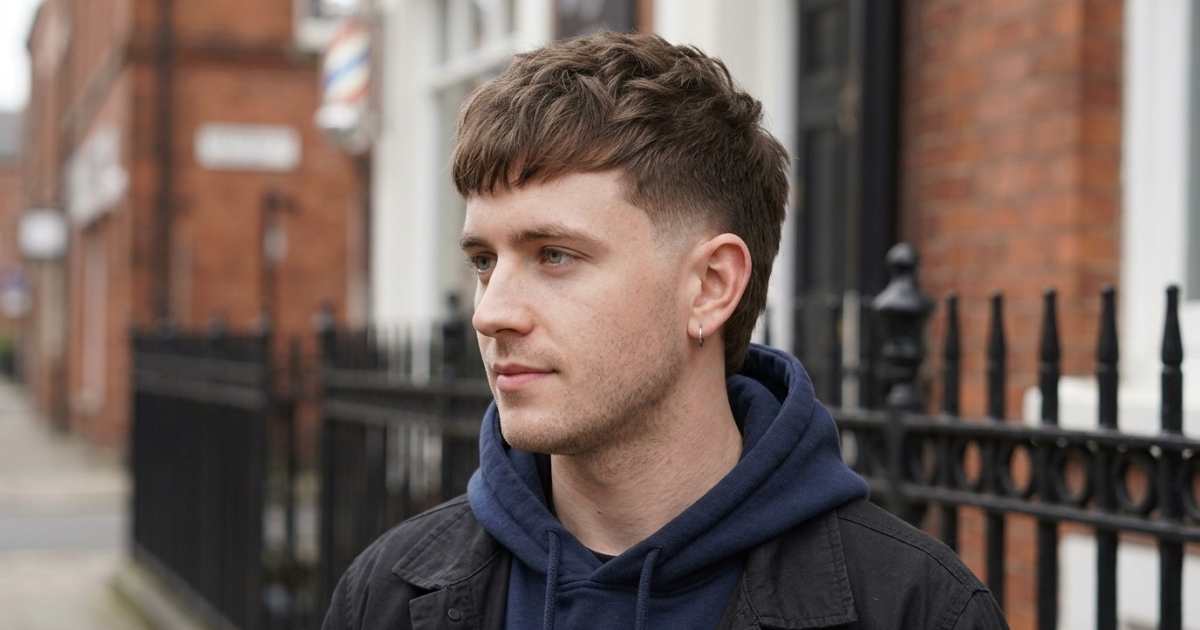
A burst fade design is one of the cleanest ways to upgrade your haircut right now. The fade curves around the ear in a round shape, and a barber shaves a sharp pattern into that faded area. It could be a single line, a zigzag, a lightning bolt, or something more creative. The result is a haircut that looks intentional, fresh, and personal.
- A burst fade design combines a curved ear fade with a shaved detail like a line, zigzag, lightning bolt, star, heart, or geometric shape
- Best placement is above the ear or behind the ear for maximum visibility and clean lines
- Low burst is the safest choice, mid burst gives the best balance, and high burst looks bold but needs faster touch ups
- Straight hair shows fine lines clearly while curly hair needs thicker, bolder shapes
- Most designs stay sharp for 7 to 14 days before needing a quick cleanup
What Is a Burst Fade Design
A burst fade is a fade that curves in a half-circle shape around the ear. It blends shorter hair near the skin into longer hair on top, and sometimes connects into the back. A design is a shaved pattern cut into that faded area using a trimmer or straight razor. It can be a simple line, a bold shape, or a freestyle idea. Together, the fade acts as the frame and the design becomes the detail everyone notices.
This style works with almost any top cut, whether that’s a mohawk, mullet, textured crop, or fringe. The cleaner the blend, the sharper the design will look. If the fade is patchy or uneven, even a great design will look off. That’s why choosing a skilled barber matters just as much as choosing the right pattern.
Burst Fade With Design vs Regular Burst Fade
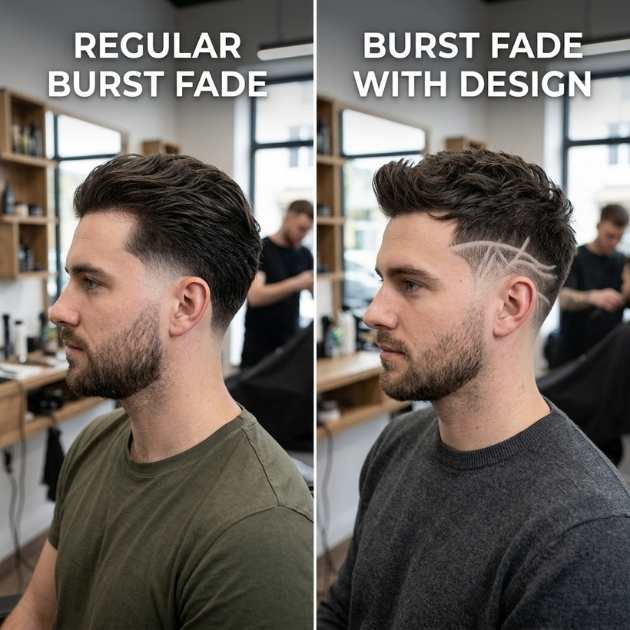
A regular burst fade already looks clean and polished on its own. Adding a design takes it a step further by giving the haircut a personal detail that stands out from the side. The shaved pattern creates contrast against the skin, which makes the whole cut feel more intentional and bold. If you want a safe starting point, one clean line is all you need. If you’re ready to go further, zigzags and geometric shapes add real personality without going overboard.
Where Should the Design Go on a Burst Fade
Placement changes everything about how a design looks and how long it stays sharp. Above the ear is the most popular spot because it’s visible from the side and easy for the barber to work with. Behind the ear is a close second because it looks stylish without being too loud. Designs placed near the nape or back of the head can look strong but tend to blur faster as hair grows in.
Think about your lifestyle before picking a placement. If you need a clean look for school or work, behind the ear gives you something that’s noticeable but not too in-your-face. If you want the design to be seen clearly in photos or from a distance, above the ear is the better call. Always confirm the placement with your barber in the mirror before they shave anything in.
Behind the Ear Burst Fade Design
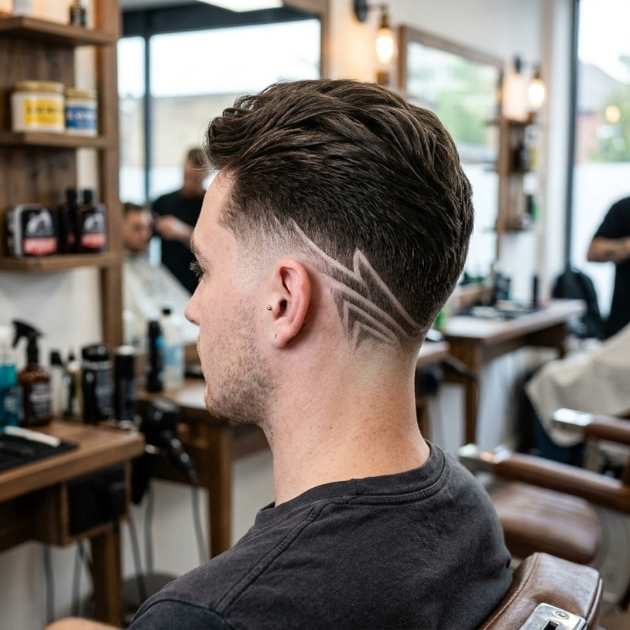
A behind the ear placement looks modern, clean, and slightly subtle all at once. It works especially well with a burst fade mullet because the design sits right between the ear curve and the longer back section. Keep the design simple here one line, a small star, or a tight zigzag reads the best. Complex shapes can get lost in this spot as hair starts to grow back.
Related Post: 25 Best High Burst Fade Haircuts for Men in 2026 (Fresh & Trending Styles
Nape and V Area Design
A lot of people mix up a V cut neckline and a V design, and they’re not the same thing. A V cut changes the actual shape of your neckline at the nape. A V design is a shaved detail placed near the fade area, not the neckline itself. If you want the neckline shaped into a V, say “V cut neckline.” If you want a shaved V detail as part of your design, say “V design.” Show your barber a photo either way so there’s no confusion about placement.
Best Burst Fade Design Ideas
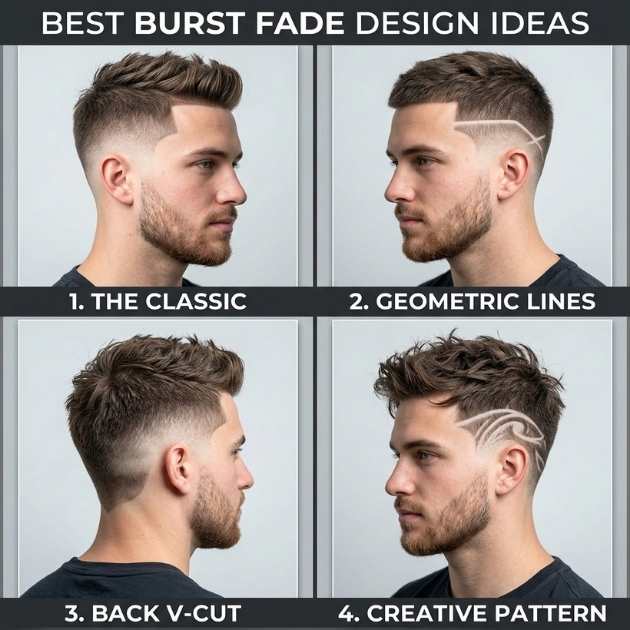
The best fade haircut designs are the ones that are clear, bold enough to last, and matched to your hair type. If it’s your first time getting a design, start simple. One line is always better than five rushed ones. Your hair texture matters too straight hair shows fine details cleanly while curly hair can swallow up small patterns. Choose a design that stays visible after a few days of growth, not just on the day you leave the barbershop.
Here’s a quick overview before diving into each option:
| Design Type | Best For | Placement | Difficulty |
| Line | All hair types | Above ear | Easy |
| Zigzag | Straight or thick hair | Above ear | Easy–Medium |
| Lightning Bolt | Straight hair, mohawk tops | Above ear | Medium |
| Heart | All types, short tops | Behind ear | Medium |
| Star | All types | Behind ear | Medium |
| Geometric | Straight hair, clean cuts | Above/behind ear | Medium–Hard |
| V Design | Mullets, longer tops | Behind ear | Medium |
Burst Fade Line Design
A line design is the most popular and practical choice for any burst fade haircut. One clean line looks sharp and grows out better than almost any other pattern. Two lines look sporty and three lines read as bold but not overdone. Lines can run straight or follow the slight curve of the burst to look more natural. If you need a design that works for school, a job interview, or a family event, one clean line above the ear is the safest pick.
Burst Fade Zigzag Design
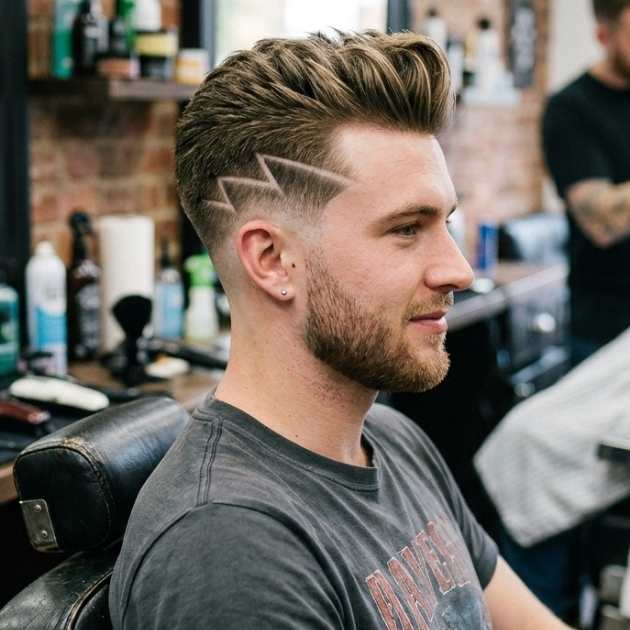
A zigzag design adds real energy to the haircut without going too far. It works best when the peaks are thick enough to stay visible for more than a few days. If the zigzag is too tight or too small, it blurs quickly as hair grows in. Place it above the ear for the cleanest result. Ask your barber to keep the pattern large enough that it stays sharp for at least a week or two.
Burst Fade Lightning Bolt Design
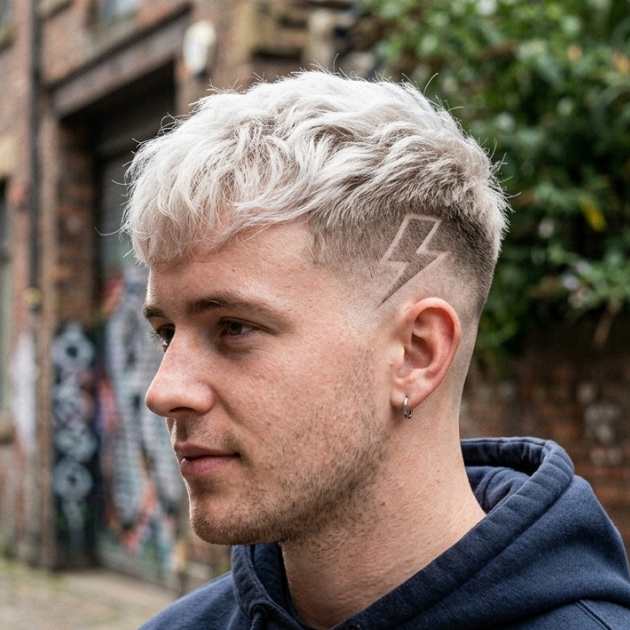
A lightning bolt haircut design is one of the sharpest looks you can get with a burst fade. It pairs naturally with a burst fade mohawk or any textured top because the bold shape matches the energy of the cut. Keep the bolt clean and not too wide a tight, precise bolt above the ear stands out without feeling loud. If you want more contrast, go with a mid or high burst fade so the design has plenty of clean skin to sit against.
Burst Fade Heart Design
A heart design is playful, friendly, and surprisingly versatile. It works well as a small detail behind the ear or just above it. The key is size if the heart is too tiny, it loses its shape fast. Ask your barber for clean, smooth curves and enough size that it stays readable for more than a few days. This design pairs well with short tops, fringe cuts, and burst fade mullets where the vibe is relaxed and expressive.
Burst Fade Star Design
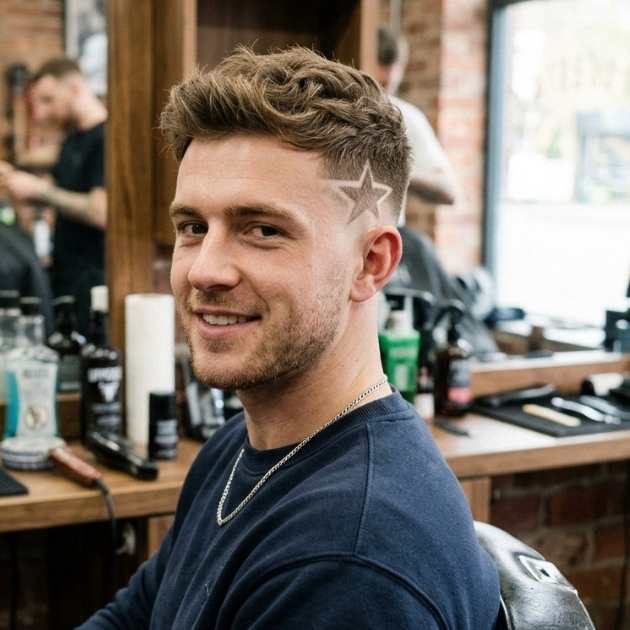
A single small star is one of the cleanest design choices you can make. It doesn’t try to do too much and it holds its shape well when cut correctly. Place it behind the ear or just above it for the best result. Ask for sharp points and a clear outline a soft or blurry star loses the whole effect. Pair it with a mid burst fade and a shadow fade finish so the contrast stays strong as the hair grows in.
Burst Fade Geometric Design and Negative Space
Geometric hair design uses shapes like triangles, clean angles, or repeating patterns cut with precision. Negative space means leaving open, unshaved areas around the shape so it reads as a crisp silhouette. This style looks especially clean with a sharp lineup and a smooth, even blend. Keep it to one shape or one pattern stacking too many geometric elements makes the design look cluttered after a few days of growth. Less really is more here.
Burst Fade With V Design
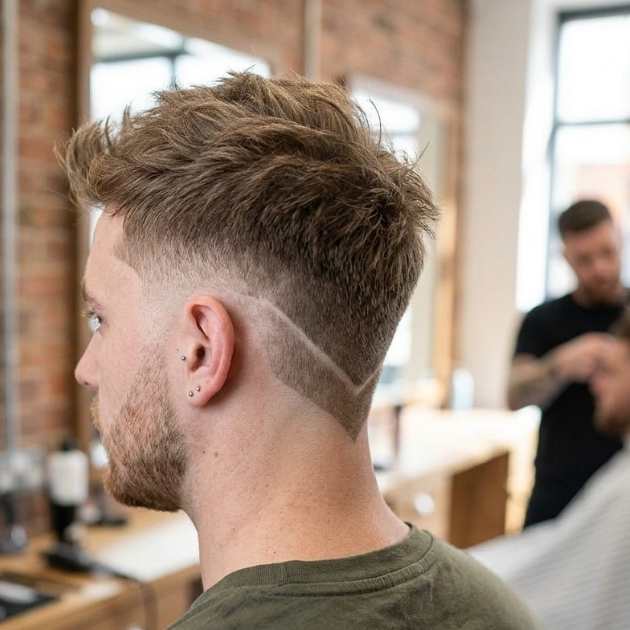
A V design is a shaved V shape used as a decorative detail, and it’s not the same as a V cut neckline. It works best behind the ear or on the back side of the head where it has room to breathe. Keep it medium-sized so it stays readable without looking too busy. If you also want a V cut neckline, tell your barber you want both and show a clear photo. Combining them can look great, but only if your barber knows exactly what you’re asking for.
Low vs Mid vs High Burst Fade Design
The height of your burst fade changes how bold the design looks and how fast it shows growth. Low stays subtle, mid hits the sweet spot, and high goes all in. Here’s how each one plays out in real life:
| Fade Height | Look | Best Design | Upkeep |
| Low | Subtle, clean | Line, small star | Every 3–4 weeks |
| Mid | Balanced, sharp | Zigzag, lightning, geometric | Every 2–3 weeks |
| High | Bold, trendy | Any bold design | Every 1–2 weeks |
Low Burst Fade Design
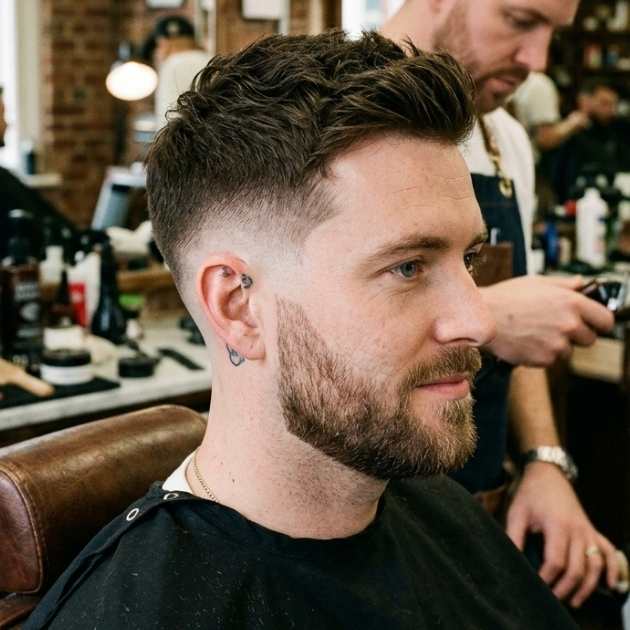
A low burst fade design keeps the fade close to the ear, which makes the whole look feel wearable and clean. It doesn’t shout, and that’s the point. This is the right call if you want something that works in a school or professional setting without feeling too edgy. A simple line design or a small star fits perfectly here. Keep the neckline clean and the lineup sharp so the haircut looks planned even though the fade stays low.
Mid Burst Fade Design
A mid burst fade design is where most people find their comfort zone. The curve around the ear is stronger, so the design has more contrast to stand out against. It still grows out well compared to a high burst, which means you don’t need to rush back to the barber every week. This height works especially well with zigzag patterns, lightning bolts, and geometric shapes. It also pairs cleanly with textured crops, short fringes, and burst fade mullets.
High Burst Fade Design
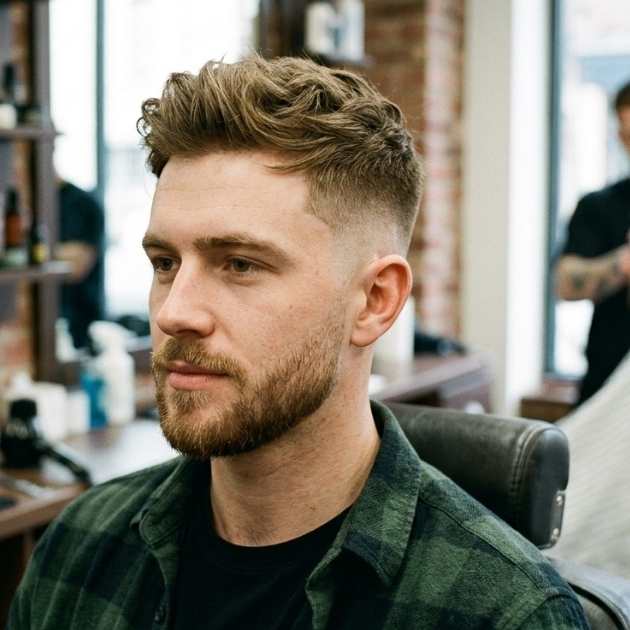
A high burst fade design is bold, modern, and built for people who want the haircut to make a statement. The fade climbs well above the ear, which gives the design more space and more contrast. It looks incredible in photos and in person but it shows new growth fast. Plan on visiting your barber every one to two weeks if you want to keep it looking fresh. Choose a design that’s big enough to stay visible as the hair starts to fill back in.
Burst Fade Design for Different Hair Types
Hair type plays a bigger role in design choice than most people realize. What looks sharp on straight hair can completely disappear on tight curls. Thick hair gives strong contrast while thin hair needs simpler patterns to avoid looking washed out. Before you pick a design, think about your texture and how much maintenance you’re willing to do. The right design for your hair type will always look better than a trendy one that doesn’t suit your texture.
Burst Fade Design on Straight Hair
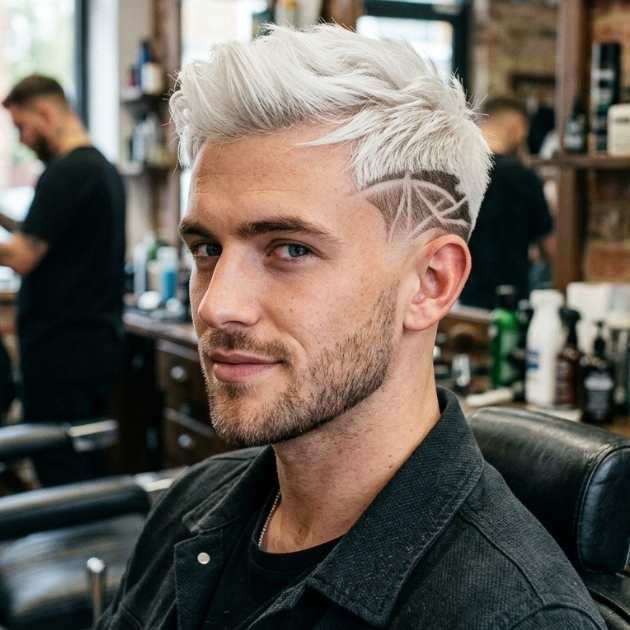
Straight hair is the easiest to work with when it comes to designs. Lines stay crisp, edges stay defined, and the contrast between the shaved area and the skin reads very clearly. You can go for one line, two lines, or a clean geometric shape without worrying much about the design getting lost. Avoid very tiny details though they can soften and fade faster than you’d expect as hair grows back in. Add some texture on top so the cut looks balanced and not flat.
Burst Fade Design on Curly Hair
Curly hair needs a design that can hold its own against the texture. Small, delicate patterns tend to disappear under curls, especially as the hair grows out even slightly. Go for thicker lines, a bold zigzag, or a lightning bolt design that’s large enough to stay visible. Place it above the ear or behind the ear where the curls won’t cover it as quickly. Keep styling products light near the design area so the shaved lines stay clean and don’t get clogged with product buildup.
Burst Fade Design for Thick Hair vs Thin Hair
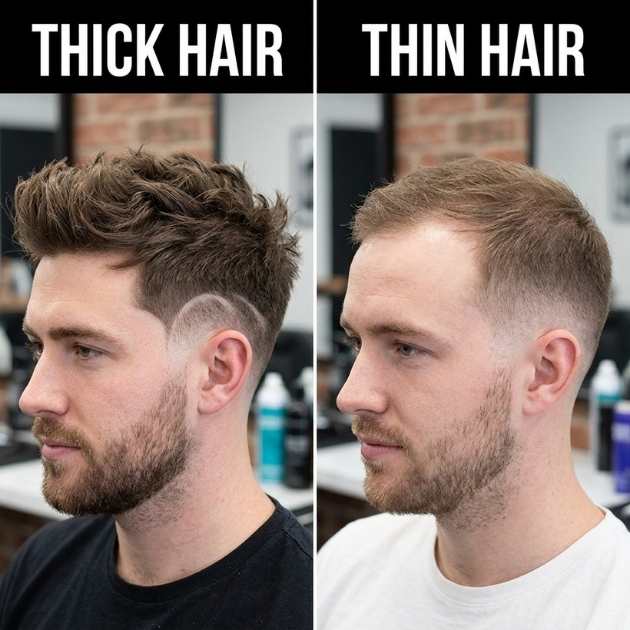
Thick hair creates natural contrast, which means designs pop easily and stay visible longer. You can go bigger and bolder with shapes like a wide zigzag or a geometric pattern without worrying too much. Thin hair is softer in contrast, so simpler designs read better think one clean line or a small star rather than a complex multi-line pattern. If you have thin hair and want more visible contrast, a mid burst height and a clean lineup will help the design stand out more than the design itself.
Burst Fade Design With Popular Top Styles
The design you choose should match the energy of your top style. A big, textured mohawk calls for a bolder design to keep up with it. A relaxed mullet works better with something simple behind the ear. A short crop or fringe is already clean, so a subtle line design keeps the whole look balanced. Think of the top and the design as a team they should complement each other, not compete.
Burst Fade Mohawk Design
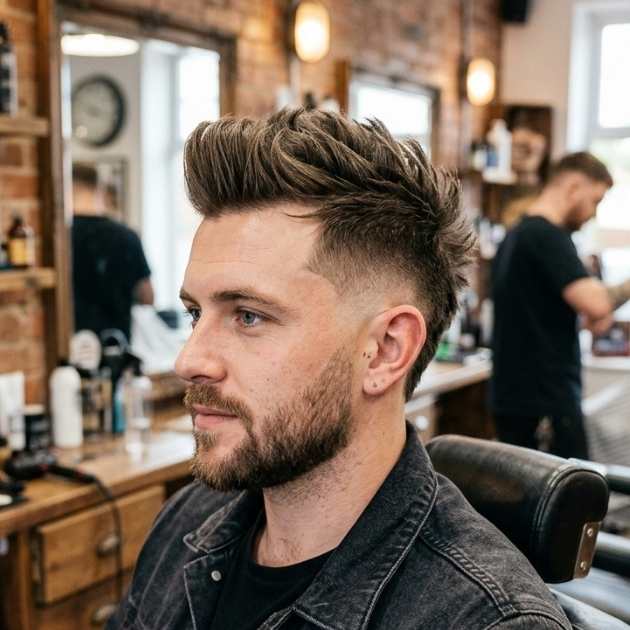
A burst fade mohawk design is one of the most iconic combos in men’s barbering right now. The mohawk keeps height and drama through the middle while the burst fade curves cleanly around the ear on both sides. Lightning bolts, zigzags, and geometric shapes all match this energy well. If you want a cleaner look, put the design on one side only. Ask your barber to keep the blend tight so the mohawk doesn’t look disconnected from the fade.
Burst Fade Mullet Design
A burst fade mullet design works best with a design placed above or behind the ear. The sides stay short and clean while the back flows longer, so you don’t want a busy design competing with that contrast. A simple line design keeps the side profile sharp without drawing too much attention away from the overall shape. A small zigzag also fits well here. Make sure the back is properly layered and the neckline is clean a messy neckline can make even a great mullet look unfinished.
Burst Fade Textured Crop or Fringe Design
A textured crop or fringe is already one of the most versatile modern cuts, and pairing it with a burst fade design keeps things fresh without going overboard. The top has natural movement and texture, so you don’t need the design to do too much work. One clean line or a small geometric shape hits the right note. Ask for texture product on the top so straight hair doesn’t fall flat and kill the contrast between the top and the faded sides. Low or mid burst works best with this combo.
What to Tell Your Barber
Walk in knowing three things: your fade height, your blend style, and your design choice. Start by telling your barber low, mid, or high burst fade. Then say whether you want a skin fade or a shadow fade finish. After that, describe the design clearly say one line, zigzag, lightning bolt, star, heart, geometric, or V design. Follow that with placement: above the ear or behind the ear. Always ask your barber to show you the design spot in the mirror before anything gets shaved. That one step saves a lot of regret.
Bring a photo if you can. Even the most experienced barbers appreciate a clear reference because it removes all guesswork. Don’t worry about sounding too specific barbers prefer a client who knows exactly what they want over one who says “just do whatever looks good.” The more detail you give, the better the result.
Simple Guard and Blend Notes
If you want to keep the technical language simple, just ask for a clean blend from very short near the skin into longer hair above the ear. If you don’t like super tight fades, ask for a shadow fade instead of a skin fade it’s softer and a little more forgiving as it grows out. Tell your barber to avoid any harsh lines and to blend smoothly into the upper part of the head. A smooth, even blend is what makes the custom fade haircut look polished and makes the design pop.
Burst Fade Design Maintenance
Designs fade faster than the haircut itself. The blend around the ear might still look clean while the shaved pattern has already started to blur. That’s why design maintenance is separate from your regular haircut schedule. Keep heavy gels and thick pomades away from the design area for at least the first day after your appointment. The oils and buildup can soften the shaved lines and make the pattern look less defined faster than it should.
If your skin gets irritated after a fresh design, don’t scratch it. Use a light, fragrance-free moisturizer on the shaved area and leave it alone. Irritation usually settles within a day. If it keeps happening, ask your barber to use a softer finish next time and avoid going too close to the skin.
How Often to Redo the Design
Most designs hold their shape for about 7 to 14 days before they start to blur. After that, the pattern softens and the contrast drops off noticeably. The good news is you don’t have to get a full haircut just to refresh the design a quick design touch up takes 10 to 15 minutes and keeps everything sharp. Plan a design cleanup every one to two weeks and a full haircut every two to four weeks. That schedule keeps your burst fade design looking fresh consistently.
Aftercare Tips
Keep the design area clean and dry for the first 24 hours. Avoid heavy products directly on the shaved lines light pomade or nothing at all is better for the first day. If you have a dry scalp, apply a small amount of lightweight moisturizer after washing. Don’t over-scrub the area when washing your hair. If you notice razor bumps, ask your barber to adjust the technique next time and consider a shadow fade finish instead of skin fade to reduce irritation.
Burst Fade Design Mistakes to Avoid
The biggest mistake is picking a design that’s too complex on your first try. One clean line almost always looks better than five rushed ones. Don’t place the design too high if you need a professional or school-appropriate look high placements are bold and hard to hide. Avoid stacking too many lines or shapes because the whole thing looks busy within days as hair grows back in.
A weak or patchy blend is the other major issue. No design can save a bad fade. If the fade itself isn’t smooth and even, the shaved pattern will look sloppy no matter how well it was cut. Always confirm placement in the mirror before the barber shaves anything. And don’t skip touch ups a blurred design with an overgrown fade looks worse than no design at all.
Conclusion
A burst fade design is one of the simplest ways to make your haircut feel personal and current. You don’t need a complicated pattern to stand out one clean line or a small geometric shape is enough to completely change the feel of a haircut. Start simple, pick the right placement for your lifestyle, and tell your barber exactly what you want.
As your confidence grows, you can experiment with bolder shapes, higher fade heights, and more creative placements. The key is keeping the blend clean, the design sharp, and the touch ups regular. Do that and your burst fade design will look fresh whether you’re at a barbecue, a job interview, or just passing someone on the street.