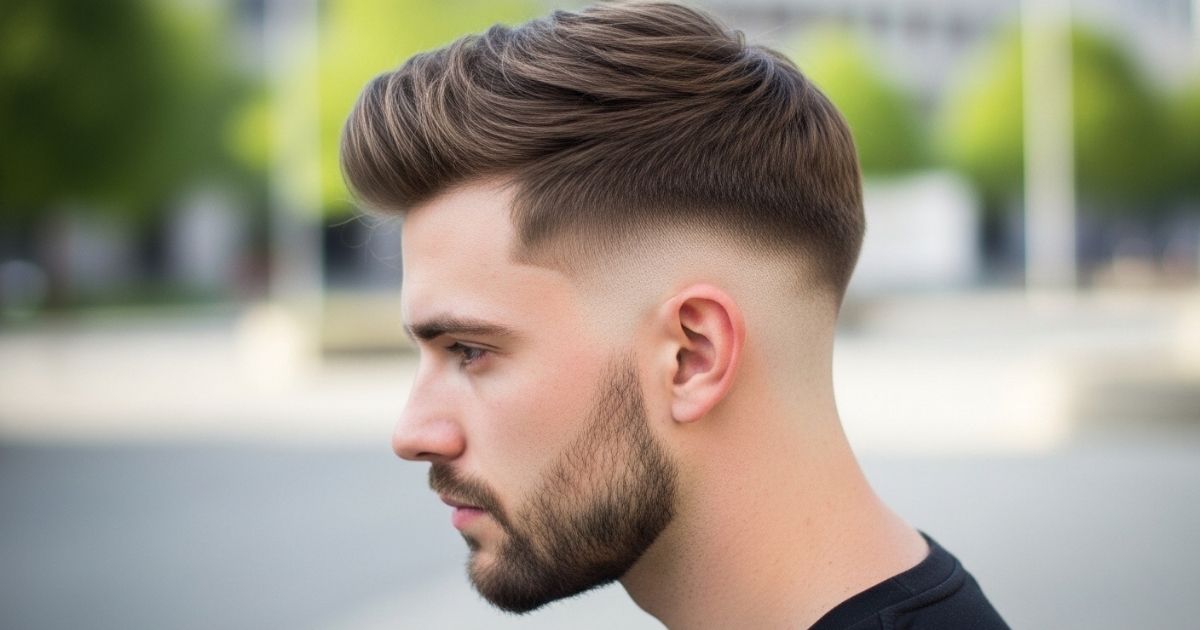
The low burst fade mullet styles for straight hair trend has taken over barbershops everywhere, and it’s not slowing down. It’s clean on the sides, fun in the back, and surprisingly easy to maintain. Whether you want something subtle for work or bold enough to turn heads, this guide covers every variation worth knowing.
Straight hair can be tricky with fades. Without the right texture or cut, it just lays flat and loses shape fast. But when a barber pairs a smooth burst arc with the right top, straight hair actually performs beautifully. Let’s break down every style so you can walk into your next appointment knowing exactly what you want.
What Is a Low Burst Fade Haircut?
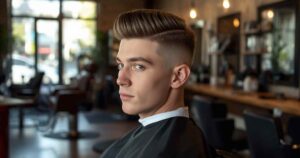
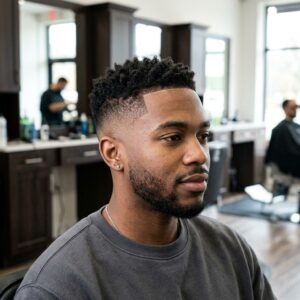
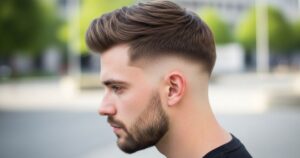
A low burst fade haircut is a fade that wraps around the ear in a curved, half-circle shape and blends upward into the hair above. The word “low” simply means the fade starts near the sideburn and stays close to the ear and neckline. It doesn’t climb high on the sides, which keeps everything looking neat and controlled. This is exactly why the fade around the ear looks so clean compared to other fade types.
What makes it stand out among men’s fade hairstyles is how well it works with different hair types and top styles. You can pair it with a mullet, buzz cut, fringe, curls, or a textured crop. The smooth burst fade curve does most of the heavy lifting visually. Some barbers call the extra-low version a “low low burst fade,” which has even less contrast and blends so softly you almost can’t tell where the fade begins.
Related Post: 30 Best Middle Part Hairstyles for Every Face Shape 2026
Low Burst Fade vs Mid Burst Fade
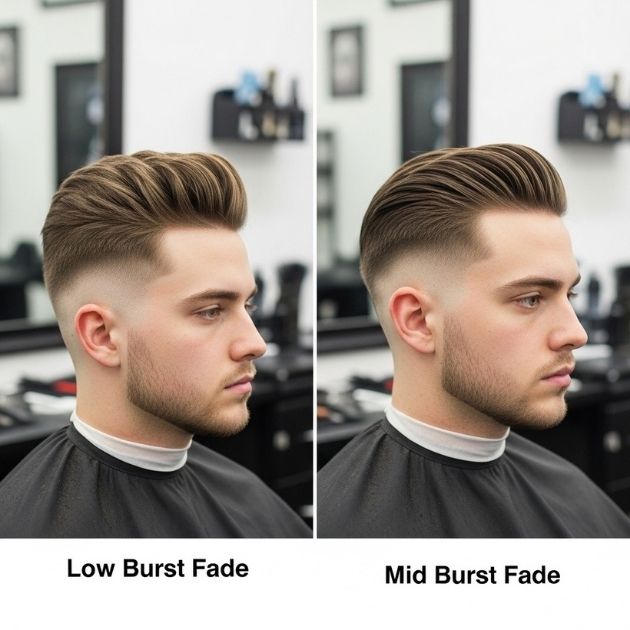
The main difference comes down to height and contrast. A low burst fade stays near the ear and keeps things subtle. A mid burst fade sits higher on the head and creates a stronger visual contrast from the side. Both look sharp but they suit different lifestyles and preferences.
If you’re new to burst fades, start low. A low fade haircut that grows out well is always easier to manage between appointments. The low version also fits more environments like strict workplaces, schools, and family events without looking like you’re trying too hard. Once you’re comfortable, you can always go mid for more impact.
Best 17 Low Burst Fade Styles for Men
1. Low Low Burst Fade
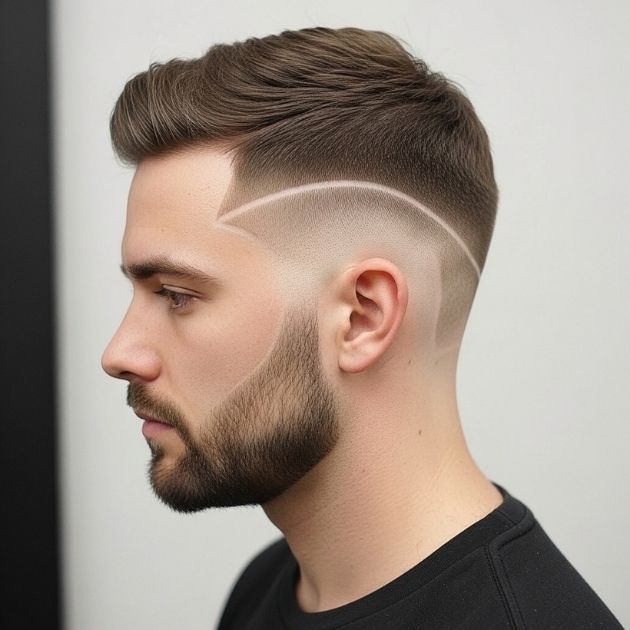
This is the softest version of the burst fade haircut and it’s perfect if you’re trying the style for the first time. The fade stays extremely close to the ear and neckline so the contrast is minimal and the overall look feels polished without being loud. It’s a great pick for professional settings or anyone who wants a clean fade haircut that doesn’t scream for attention. Ask your barber for a very gentle blend and a smooth arc, nothing sharp or dramatic.
2. Low Burst Fade Mullet
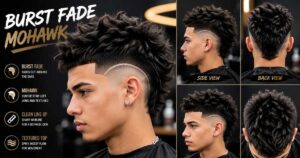
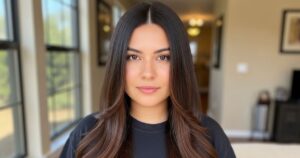
The low burst fade mullet straight hair combo is genuinely one of the most versatile modern men’s haircuts out there right now. The sides stay tight and curved around the ear while the back grows longer with soft layers, not a blunt chop. That layered top hairstyle in the back is what separates a stylish mullet from a messy one. Tell your barber to connect the burst arc into the back length smoothly and keep the neckline tidy so it always looks intentional.
3. Low Burst Fade Curly Hair
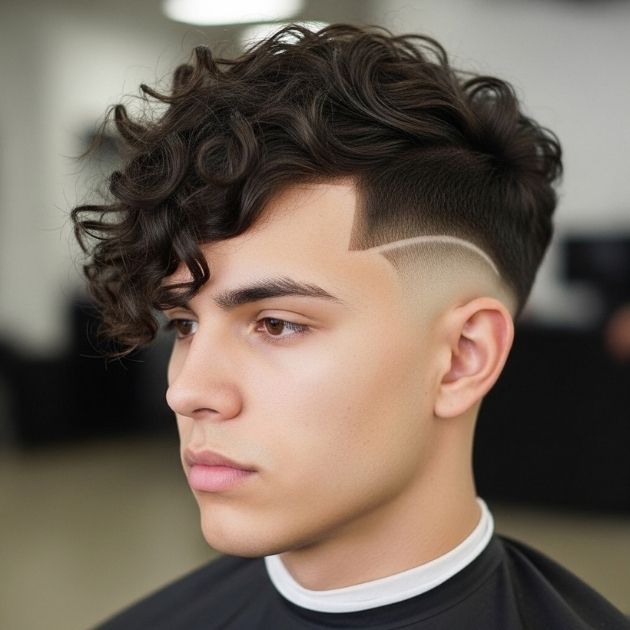
Curly hair and a low burst fade are a natural match. The curved arc around the ear helps control side puff without shrinking the curl volume on top. You still get full, bold curls while the sides stay defined and clean. Ask for shaping near the temples and behind the ear rather than heavy cutting through the curl pattern. Keep both sides even and let the curls do the talking on top.
4. Curly Low Burst Fade
This version is built for tighter curl patterns that need structure without losing their natural shape. The burst fade stays low and the barber removes bulk only where the hair fans out too wide. It’s not about cutting curls short. It’s about reshaping them so they fit your head cleanly. A sharp hairline and a tidy neckline keep this looking fresh longer than most styles.
5. Low Burst Fade Straight Hair
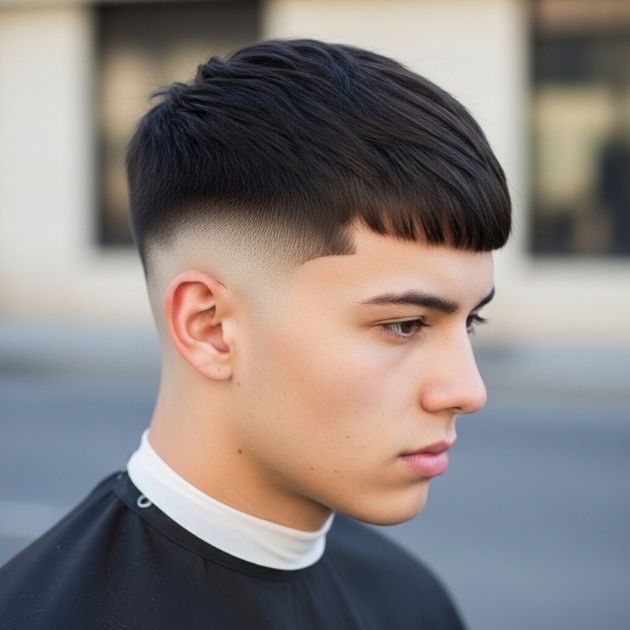
A low burst fade straight hair style can fall flat, literally, if the top has no texture. Straight hair needs movement and that movement has to come from the cut itself, not product alone. Ask your barber for a textured top with burst fade so the hair has some life and shape when it dries naturally. Light layers or point-cut ends make a huge difference. The fade stays low and clean and the texture on top balances everything out perfectly.
6. Low Burst Fade on Straight Hair
Straight hair with texture is the key phrase here. A straight hair fade style works best when the barber avoids cutting a heavy block shape on top. Instead ask them to soften the ends and add movement through the crown. If your hair tends to flip out at the back, a little layering there will tame it without removing the length. The low burst curve stays smooth around the ear and gives the whole cut a modern, effortless feel.
7. Straight Hair Low Burst Fade on Straight Hair
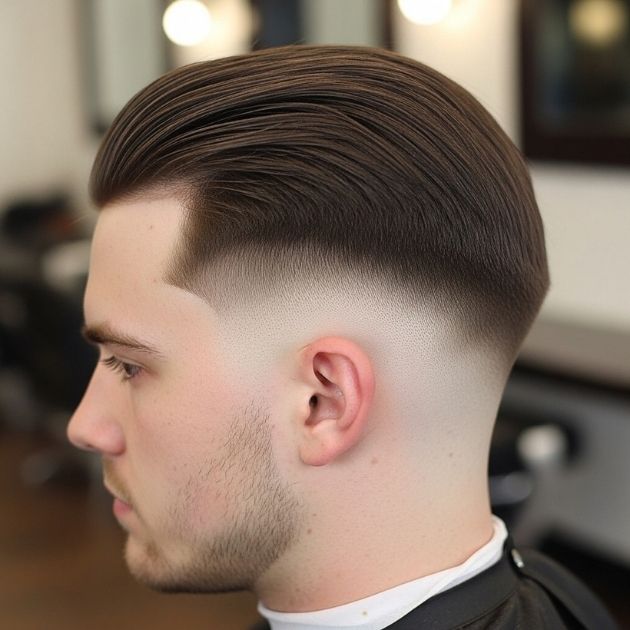
This is specifically for guys with thick straight hair who keep getting flat, shapeless results. Burst fade for thick straight hair needs extra attention above the fade line, not just at the sides. Ask for point-cut texture across the top and a smooth blend where the hair meets the burst arc. Without that transition you get a hard line that looks unnatural. Done right, this is one of the sharpest straight hair low burst fade looks you can get.
8. Low Burst Fade Black Men
This style frames the face beautifully and works across a wide range of textures from waves and sponge curls to short afro shapes and twist-outs. Ask for a sharp line up along the hairline if you like a crisp finish and make sure the burst arc curves evenly on both sides. A clean neckline is non-negotiable here because it’s what keeps the haircut looking fresh between visits. Pair it with a beard blend and it becomes a full, cohesive look.
9. Low Burst Fade Buzz Cut
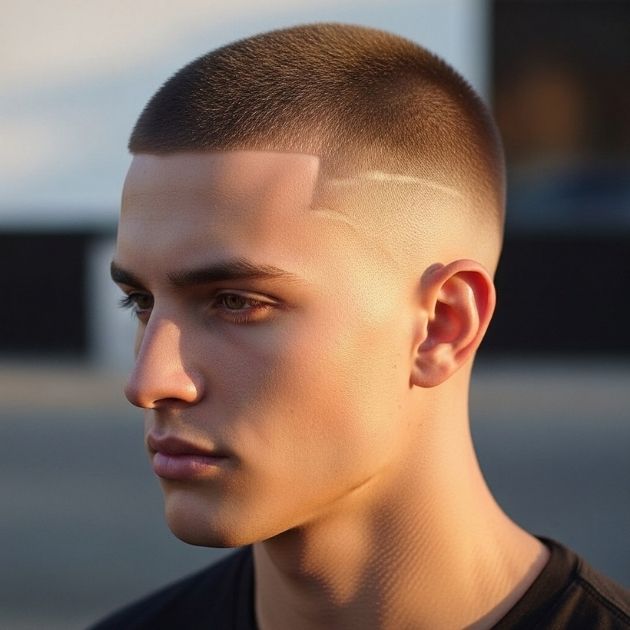
This might be the easiest low burst fade combination on the entire list. The top is cut short with a clipper guard, the fade stays low and curved around the ear and you’re done. There’s almost no styling involved. It’s ideal for hot weather, active lifestyles, or anyone who wants a short textured hairstyle with zero morning effort. Just ask for a smooth burst arc and a neat neckline and you’ll be out of the barber chair fast.
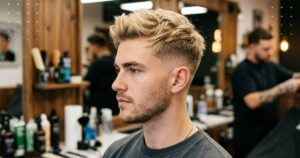
10. Low Burst Fade Textured Fringe
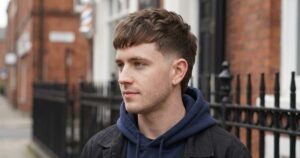
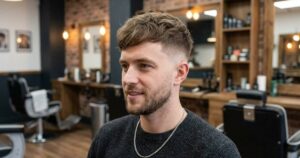
A textured fringe haircut paired with a low burst fade brings the focus straight to the front of the face. The fringe should be choppy and broken up, not cut in a straight heavy line across the forehead. This is a modern men’s haircut that looks intentional without trying too hard. It also helps balance out a wider forehead by pulling attention forward. Keep the sides clean with the burst arc and let the fringe carry the style.
11. Low Burst Fade Fringe
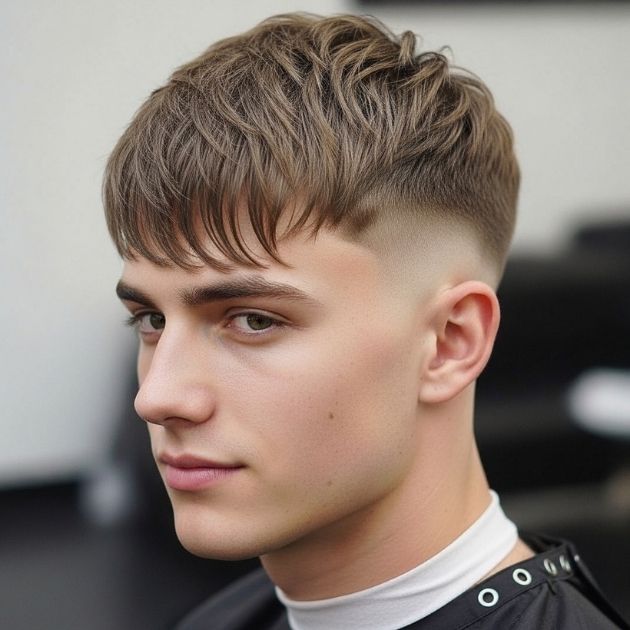
This is the simpler, lighter version of the textured fringe look. The low burst fade with fringe works especially well for straight and wavy hair because it adds shape without requiring much volume. Ask for a soft forward-styled top and a little texture so it doesn’t sit flat. The burst arc stays low, the outline stays clean and the whole thing looks neat even as the hair starts growing out over a few weeks.
12. Taper Low Burst Fade
A taper low burst fade haircut keeps the burst curve but blends more gently, without going all the way down to skin. It grows out cleaner and feels less intense than a full skin fade. This is the one to ask for if your workplace has a strict dress code or if tight fades tend to irritate your skin. It pairs well with almost any top style from short hair to a small mullet and it stays sharp for longer between appointments.
13. Low Burst Fade with Taper
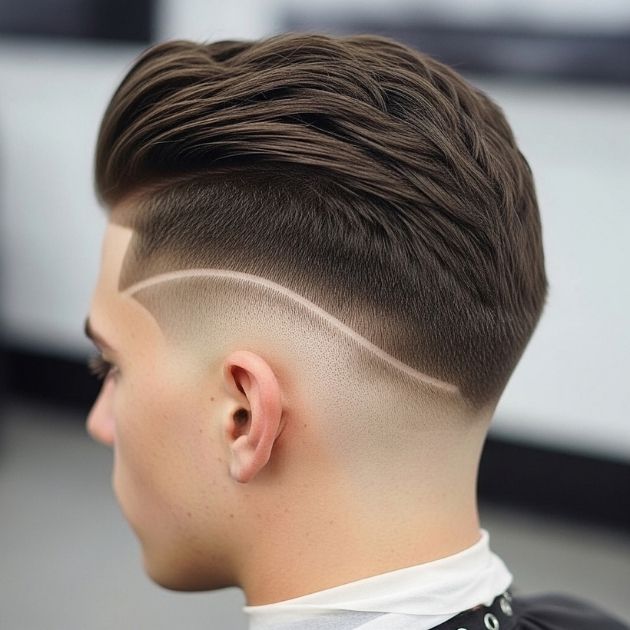
This is essentially the same concept as above, just phrased differently. The low taper fade around the ear keeps more hair near the sideburn so the transition feels softer and more natural. It’s a great middle ground between a conservative taper and a bold skin fade. Tell your barber to keep the burst arc smooth and the blend gradual. Add texture on top and it instantly elevates the whole look.
14. Low Burst Fade Taper
People search this phrase both ways so it’s worth clarifying: low burst fade taper and low burst fade with taper mean the same thing. You get the curved burst arc with a gentler blend finish. The grow-out looks more natural because there’s no sharp skin line to reveal. Ask for clean sideburns and a tidy neckline to keep the outline sharp. This is one of the most low-maintenance fade hairstyles you can choose.
15. Low Burst Fade with V
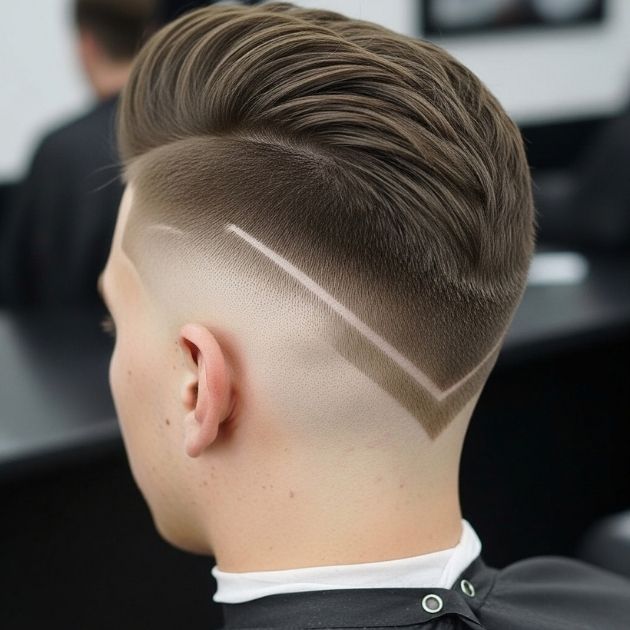
Adding a V-cut neckline fade to your low burst fade gives the back a sharper, more defined finish. It makes the neck look longer and adds a small but noticeable detail that stands out in photos. The V should be small and centered, not deep or dramatic. Ask your barber to cut a clean burst arc around the ear and then finish the nape with a tidy V shape. It’s a simple upgrade that makes a real difference.
16. Low Burst Fade V Cut
Same idea, just another way people phrase it. The focus is still the neckline shape. A V-cut neckline fade looks best when the point is clean and symmetrical. If it gets uneven or grows out crooked, the sharpness disappears. Plan your cleanups a bit sooner than usual to keep it looking intentional. This style photographs really well and works with almost any top length.
17. Low Burst Fade Design (Low Burst Fade with Design)
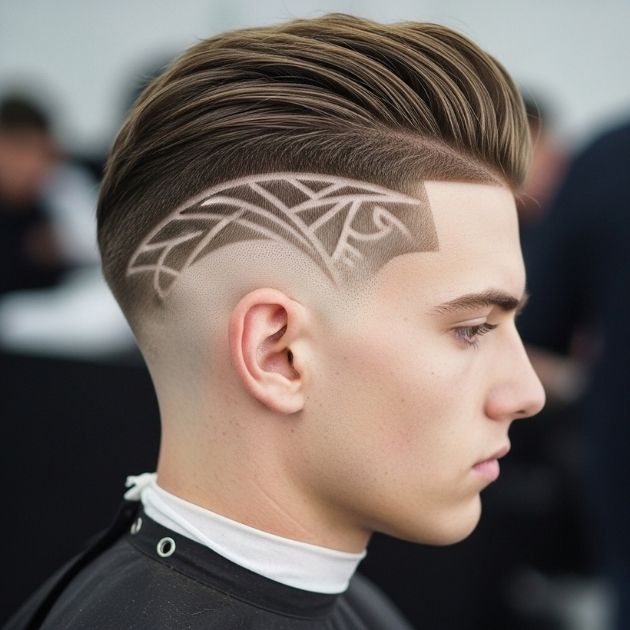
A burst fade with design takes the cut one step further by adding a simple line or pattern inside the faded area. Think one clean curved line or two short parallel cuts near the burst arc. Keep it small because big designs look great for about a week and then grow out into something confusing. Ask your barber to place the design close to the arc so it stays visible longer. You’ll need touch-ups sooner but the result is genuinely eye-catching.
How to Ask Your Barber for a Low Burst Fade
A barber consultation for burst fade doesn’t need to be complicated. The biggest mistake guys make is only saying “low burst fade” and nothing else. Your barber needs to know what’s happening on top too or they’ll make an assumption that might not match what you had in mind. Bring one or two reference photos that match your actual hair type, whether that’s straight, curly, or coarse.
Use clear, simple language. Say something like: “I want a low burst fade that stays close to my ear with a smooth curve. On top, I want it like this photo.” Then add your specific request: a taper for a softer grow-out, a fringe for shape up front, a V cut for a sharp neckline, or a design if you want something bold. The more specific you are, the better the result. Barber fade techniques vary so showing a photo removes any guesswork.
Easy Styling and Upkeep
The good news about a low burst fade is that it’s designed to be easy. Most of the visual work comes from the shape of the cut itself, not from heavy product or a complicated morning routine. For straight hair, dry it after showering and use your fingers to set the top before it fully dries. That alone gives it more shape than air-drying flat.
For a low-maintenance fade hairstyle, most guys need a cleanup every two to four weeks. If you added a design, plan for something closer to two weeks because patterns fade quickly as the hair grows. Curly hair benefits from staying hydrated so a light leave-in conditioner keeps the curls defined without weighing them down. Straight hair that keeps going flat usually needs more texture in the cut, not more product on top.
Quick Answers People Search
Does a low burst fade work for black men? Yes, it does. It frames the face cleanly and pairs well with waves, curls, twists, and beard blends.
Is a low burst fade buzz cut easy to maintain? It’s one of the lowest-effort options on this list. Short on top, clean on the sides, and almost no daily styling needed.
Why does my low burst fade straight hair look flat? Usually the top has no texture. Ask your barber for point-cut layers or a choppy finish next time.
How often should I get a low burst fade cleaned up? Every two to four weeks for most styles. Designs and V cuts may need touch-ups sooner.
Can I get a low burst fade mullet for a professional setting?
Yes, if you keep the fade low and the back length subtle. A taper version makes it even more workplace-friendly.
Conclusion
The low burst fade is one of those rare haircuts that manages to look both clean and creative at the same time. It works for straight hair, curly hair, thick hair, and everything in between. The curve around the ear keeps the sides neat while the top stays open to whatever style suits your personality, whether that’s a laid-back mullet, a sharp fringe, or a bold design. That kind of flexibility is why it keeps showing up on barbershop walls and social feeds alike.
If you’re trying it for the first time, go with a taper low burst fade to keep things safe and simple. Once you see how well it suits your face and hair type, you can explore bolder options like the V cut or a custom design. The most important step is walking in with a clear idea and a good reference photo. Everything else your barber will handle.