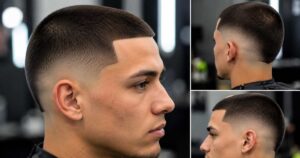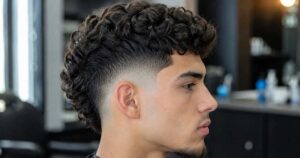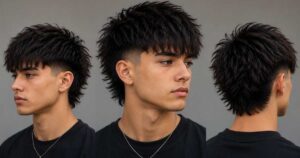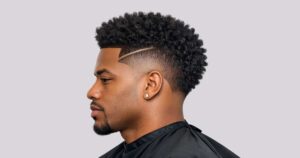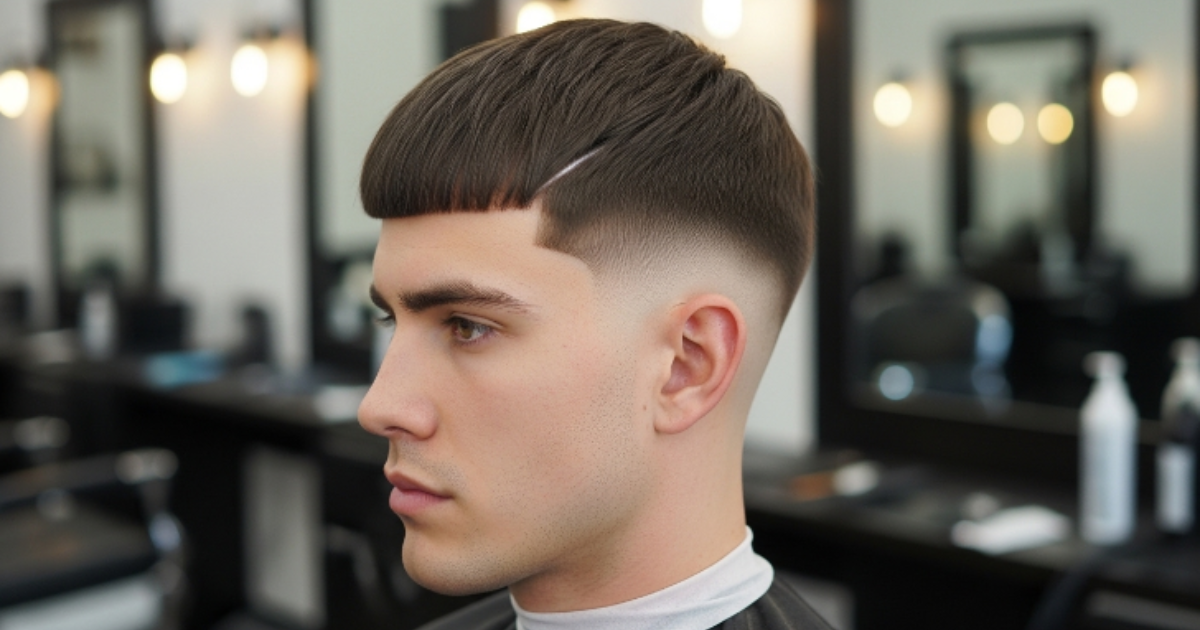
You’ve probably seen it everywhere lately. On the guy ahead of you at the coffee shop. On your favourite footballer. On half the men walking out of barbershops on a Saturday morning. The best French crop taper fade haircut is having a serious moment and honestly, it’s not hard to see why.
But here’s where most men get stuck. They know they want something sharp, low-effort, and genuinely stylish. They just don’t know what to ask for, which variation suits them, or how to keep it looking fresh between visits. Sound familiar? This guide covers all of it. From the history behind the cut to exactly what to say when you sit down in that barber’s chair.
Related post: Calico Hair Color 10 Ideas for Bold and Modern Look
What Is a French Crop Taper Fade Haircut?
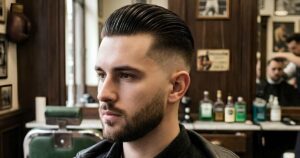
At its most basic, the best French crop taper fade haircut is a short style with a cropped top, a forward-falling fringe, and sides that taper cleanly into the skin. It’s tidy without being boring. Structured without feeling uptight. Think of it as the haircut equivalent of a well-fitted shirt it just works, and it works on most men.
What separates it from a standard short back and sides is that forward fringe. That horizontal fringe line across the forehead is the signature move. Pair that with a smooth, graduated taper on the sides and you’ve got a modern crop cut that looks intentional, polished, and effortlessly cool. The taper fade haircut element is what gives it that barbershop-quality finish the kind that makes people assume you put in more effort than you actually did.
The History of the French Crop Hairstyle
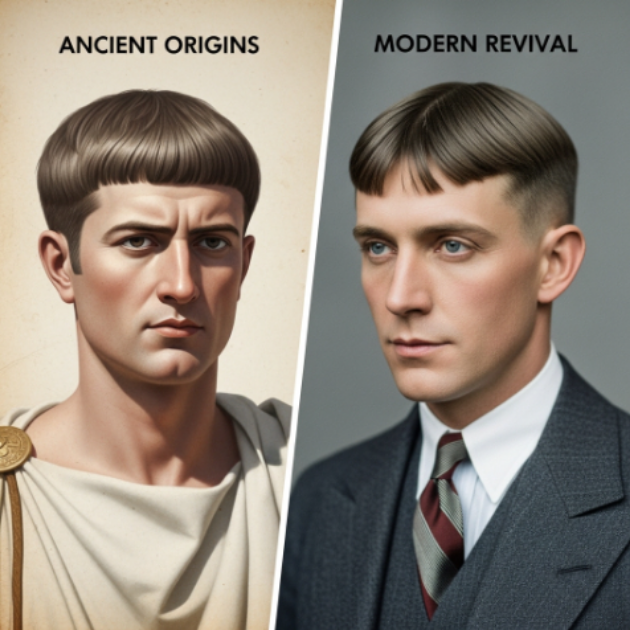
The classic French crop didn’t start as a fashion statement. It started as a practical solution. Soldiers, labourers, and working men across Europe wore it because short hair was simply easier to manage. The cropped top and forward fringe kept things neat without requiring any real styling ritual in the morning. Nobody was thinking about trends. They were thinking about function.
Fast forward to the late 20th century and barbers started experimenting. They brought in taper techniques, introduced skin fades, and added texture to the top. That’s when the faded crop haircut we recognise today really took shape. What was once a purely functional cut became one of the most recognisable stylish taper fade for men looks across the globe. It evolved right into 2026, where it sits comfortably among the most popular men’s haircut trends year after year.
Why Choose the French Crop with Fade?
Here’s the honest answer. Most men want a haircut that looks good without demanding much from them on a Tuesday morning. The best French crop taper fade haircut delivers exactly that. It’s a genuine men’s low-maintenance haircut that still reads as put-together in a boardroom, at the gym, or on a night out. You’re not sacrificing style for convenience. You’re getting both at once.
The other big draw is versatility. You can wear it textured and relaxed for a casual weekend. Tighten it up slightly for work. Let it go natural after the gym. The faded crop haircut adapts to your day rather than dictating it. Add in the fact that it suits almost every hair type straight, wavy, curly and you start to understand why this cut has stayed relevant for decades and shows no signs of slowing down.
Popular Style Variations and Examples
Not all French crops are cut from the same cloth. There are genuine differences between variations and picking the right one changes everything about how the final look lands. The four main styles worth knowing each bring something different to the table from barely-there subtlety to high-contrast drama.
Low Taper French Crop
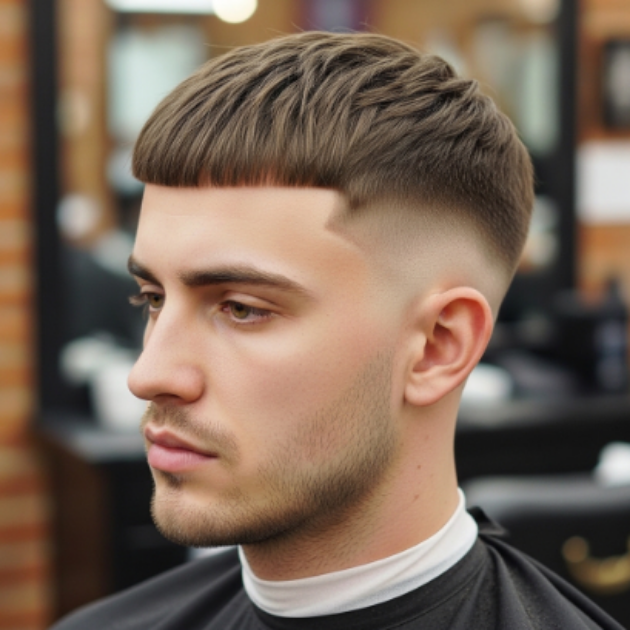
The low taper French crop is the most understated version of the cut. The fade begins low, near the neckline, and rises gradually. It keeps the sides looking natural while still delivering clean definition around the ears and neck. If you work in a conservative environment law, finance, corporate this is your version. The contrast between top and sides is refined rather than dramatic and it reads professional without shouting for attention.
Mid Taper French Crop
Step things up slightly with the mid taper crop fade and you get a style that genuinely hits the sweet spot between sharp and relaxed. The fade starts around the temples, which naturally frames your face and draws the eye toward your cheekbones. It works beautifully on straight and wavy hair and transitions seamlessly from a Friday desk job to Saturday evening plans. Most barbers consider this the most balanced and universally flattering version of the cut.
High Taper or Skin Fade Crop
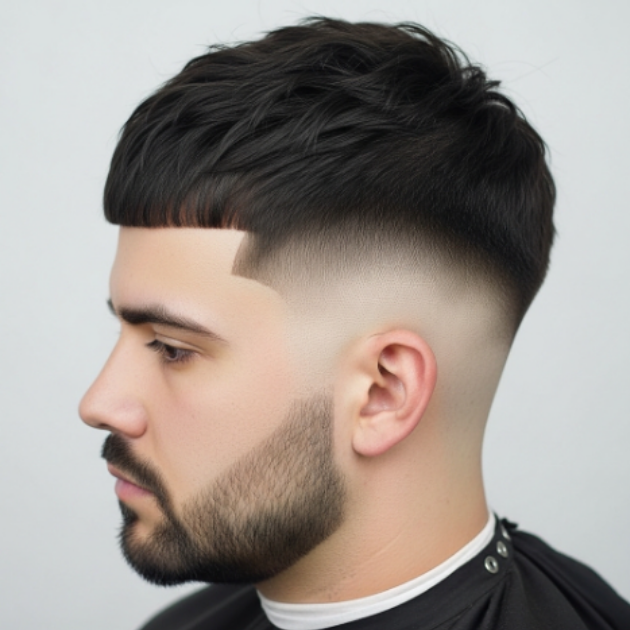
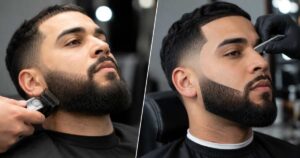
This one’s for the men who want the cut to make a statement. The French crop with skin fade takes the sides down to near-bare skin, which creates a striking contrast against the cropped top. It’s sharp. It’s bold. It’s the version you’ll see on influencers, athletes, and men who treat their haircut as part of their identity. Pair it with a blunt fringe and the high taper fade crop becomes one of the most visually distinctive men’s hairstyles going right now.
Textured, Curly, or Wavy Crop Styles
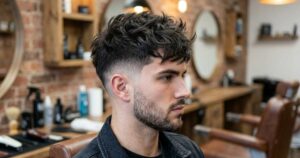
If your hair has natural movement curls, waves, or a bit of both this variation was practically made for you. The textured French crop leans into what your hair already wants to do rather than fighting it. A light matte clay or sea-salt spray is all you need to define the shape. The curly crop fade in particular adds real dimension and personality to the style. It looks effortless because, when done right, it genuinely is.
Who Suits the French Crop Taper Fade Haircut?

Short answer? Most men. The men’s cropped hairstyle is one of those rare cuts that doesn’t play favourites. It works across age groups, professions, and personal styles. Whether you’re 22 or 45, whether you’re heading into a client meeting or a weekend festival, there’s a version of this cut that fits your life.
The real question isn’t whether it suits you it’s which variation suits you best. Men with rounder faces tend to do better with a mid or high taper, since the contrast adds definition. Men with stronger jawlines or more angular features can pull off the low taper beautifully without needing much contrast at all. The best French crop taper fade haircut essentially moulds itself around the person wearing it, which is exactly why it’s remained such a dominant force in modern men’s grooming.
Does Your Face Shape Actually Matter?
It does but not as much as most people think. Face shape is a useful starting point, not a strict rulebook. Oval faces are genuinely the lucky ones here because almost every variation works. Square faces benefit from a slightly longer fringe that softens the angles. Heart-shaped faces tend to suit a mid taper that adds visual weight to the sides. Round faces look sharper with a high fade that elongates the overall appearance. Think of face shape as a guide rather than a limit. Your barber can fine-tune from there.
What to Tell Your Barber and How to Order It
Walking into a barbershop knowing exactly what you want is a completely different experience from shrugging and saying “just tidy it up.” With the best French crop taper fade haircut, a little preparation goes a long way. The more specific you are, the better the result. Your barber isn’t a mind reader give them something to work with.
Communicate Clearly
Start by naming the cut. Say “French crop with a taper fade” and most experienced barbers will immediately know the direction. From there, be specific about what you want on top. How much length are you keeping? Do you want texture worked in or a cleaner, more uniform finish? Are you after a heavy fringe or something softer and more blended? These details matter and they’re the difference between a cut you love and one you’re not quite sure about.
Use Guard Numbers
Guard numbers are your friend. They take the guesswork out of fade height and give your barber a concrete reference point. A number one or two on the sides is a common starting point for a tight taper. A three or four creates a softer gradient. If you’ve had the cut before and you know what worked, lead with those numbers. If it’s your first time, ask your barber what they’d recommend based on the variation you’ve chosen. It’s a conversation, not a command.
Show Reference Photos
A good photo is worth a thousand descriptions. Pull up two or three images that show the taper height, fringe style, and top texture you’re going for. Don’t worry about finding a photo that’s a perfect match even a rough reference helps your barber understand the direction. The barber guide for French crop fade appointments is simple: words describe, photos demonstrate. Use both and you’re already ahead of most clients.
Confirm Fringe Style
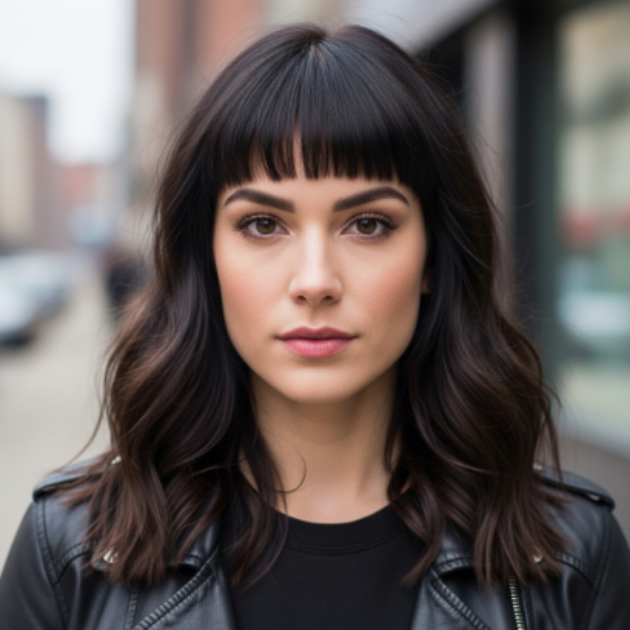
The fringe is what makes the French crop a French crop. Don’t leave it as an afterthought. Decide in advance whether you want a blunt fringe fade which sits straight across the forehead or something softer and more feathered. Some men prefer a slight angle or a disconnected crop fade effect where the fringe sits a little further from the hairline. Talk through this before the scissors come out. It’s the most defining feature of the cut and it deserves a proper decision.
Step-by-Step Barber Process
Knowing what happens during the cut helps you understand what to expect and gives you better language to communicate what you want. A skilled barber follows a clear sequence and each step builds on the last.
Step 1: Preparation
Before any clipper touches your hair, a good barber will assess your hair’s natural growth patterns, density, and texture. Most will start with a wash or at least dampen the hair. Damp hair sits more naturally and gives a more accurate read of length and weight. It also makes blending significantly easier. This prep stage isn’t just housekeeping it sets the entire cut up for success.
Step 2: Taper Fade
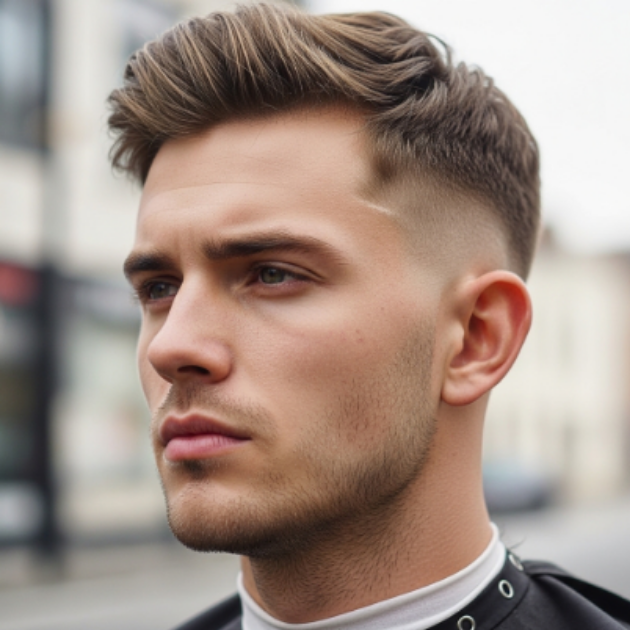
The fade comes first. Your barber will establish the fade line whether that’s low, mid, or high and work upward using clipper-over-comb technique or freehand clipper work. Guard sizes decrease as they move toward the skin, creating that smooth gradient that defines the clean taper hairstyle. The blend is everything here. A sharp, unblended line ruins the whole effect. A well-executed fade is almost invisible in its transition.
Step 3: Crop Top
Once the sides are done, attention moves to the top. The barber will establish the overall length and remove bulk where needed. For the French crop specifically, the hair on top is kept relatively short and uniform typically between one and three inches depending on the look you’re going for. This is also where the fringe length gets established. The top should feel light and manageable without losing enough length to create texture or movement.
Step 4: Fringe Shaping
This is the defining moment of the cut. The fringe gets shaped using scissors or a razor depending on the finish you’ve discussed. A blunt fringe requires clean scissor work straight across. A textured or feathered fringe gets a razor finish or point-cutting technique that breaks up the edge. Your barber should check the fringe against your hairline and forehead shape before committing to the final line. This is worth asking about if they don’t mention it.
Step 5: Texture and Finish
The final step is where the cut comes alive. Your barber will add texture to the top using scissors or a razor, which removes weight and encourages natural movement. They’ll clean up the neckline and around the ears before removing the cape. Some barbers finish with a light product to show you how it sits. Pay attention here this is your chance to see the full picture and flag anything that doesn’t feel right before you leave the chair.
Styling and Maintenance Tips
The best French crop taper fade haircut is genuinely easy to maintain but there’s a difference between low-maintenance and no-maintenance. A few good habits keep it looking sharp between visits rather than growing out into something undefined.
Daily Styling Routine
You don’t need much. A fingertip-sized amount of product worked through slightly damp hair is enough to define the shape and hold the fringe in place. Matte products work better than glossy ones for most crop styles because they enhance texture without making hair look greasy or over-styled. Take thirty seconds to push the fringe forward and shape the top with your fingers. That’s genuinely all it takes most mornings.
Best Products
For how to style a French crop fade, matte clay is the go-to recommendation. It gives hold without stiffness and lets the hair move naturally throughout the day. Sea-salt spray works brilliantly if you have wavy or textured hair and want to amplify what’s already there. Styling paste sits between the two slightly more hold than spray, slightly less than clay. Avoid heavy pomades or waxes unless you’re specifically going for a sleeker, more polished finish.
Trimming Schedule
Here’s the thing about taper fades they grow out faster than you think. The clean lines that make the cut look so sharp start to blur within two to three weeks. A full reshape every four weeks is the standard recommendation but if you want to maintain that really tight, fresh-from-the-barber look, a quick tidy-up at the two to three week mark makes a noticeable difference. Think of it as the running cost of looking good. It’s worth it.
Heat vs. Natural Finish
Most men with a textured French crop hairstyle don’t need a hairdryer. Air drying preserves the natural texture and lets the hair fall the way it wants to. If you want extra volume or a slightly lifted fringe, a quick blast with a dryer and a medium round brush does the job in under two minutes. The wavy French crop haircut in particular benefits from air drying with a little product worked in beforehand the waves set naturally and the result looks genuinely effortless.
French Crop Taper Fade vs. Other Popular Fades
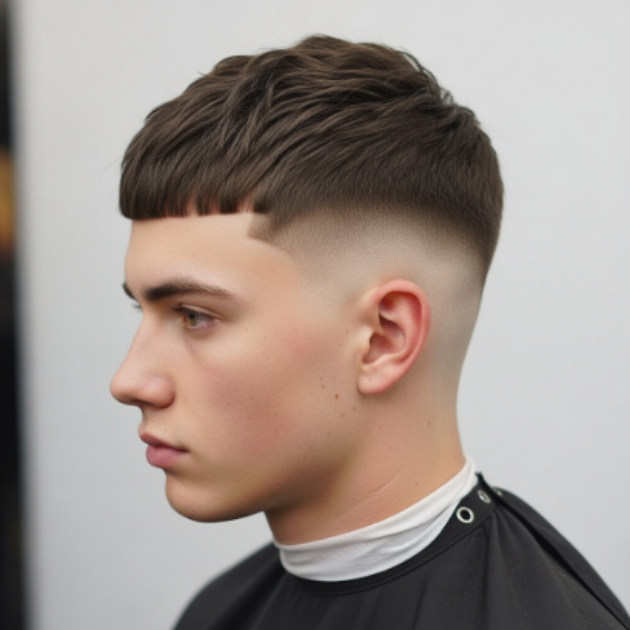
It’s worth understanding how the French crop sits alongside other popular fade styles because they’re not all the same thing and knowing the difference helps you make a better decision in the chair. The disconnected crop fade, for example, creates a more dramatic visual break between the top and sides, making it edgier and more fashion-forward. The undercut fade keeps the top longer and fuller but removes more hair from the sides. The buzz cut fade is cleaner and more minimal but sacrifices the fringe entirely. What makes the best French crop taper fade haircut stand out from all of them is that forward fringe it’s the detail that gives the cut its identity and sets it apart from every other short fade on the menu.
Common Mistakes Men Make with This Cut
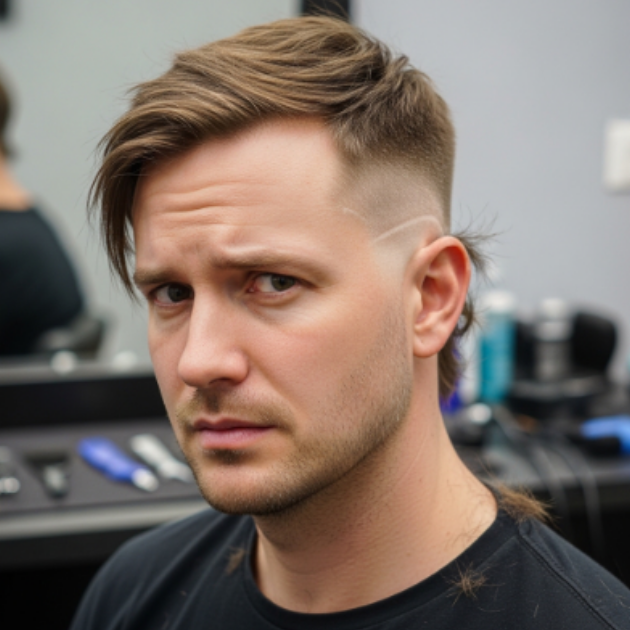
Even a great haircut can go sideways. The most common issue is letting the fade grow out without a top-up. What looks sharp at week one looks shapeless at week five. The second mistake is using the wrong product thick, heavy waxes weigh down the fringe and kill the texture that makes the cut look good. Third, and this one happens more than it should, men don’t communicate clearly enough at the barbershop. They point vaguely at the sides and shrug about the fringe and then feel underwhelmed by the result. That’s not the barber’s fault. The cut rewards specificity. Go in prepared and you’ll come out looking exactly how you wanted.
Conclusion
The best French crop taper fade haircut has earned its place at the top of the modern men’s hairstyle rankings for good reason. It’s sharp without being high-maintenance. It’s versatile without being generic. And it genuinely suits a broader range of men than almost any other cut on the barbershop menu right now.
Whether you go for a subtle low taper or a bold skin fade, whether your hair is poker straight or full of curls, there’s a version of this cut that fits your face, your lifestyle, and your personality. The modern men’s fade hairstyle has never been more refined or more accessible than it is in 2026. All you need to do is walk into the right barbershop, know what to ask for, and let the cut do the rest.